-200x45.png)
A wood shavings machine plays a crucial role in modern wood-processing industries. As demand continues to grow for wood shavings used in animal bedding, biomass fuel, packaging materials, and agricultural applications, efficient production equipment has become increasingly important.
A wood shavings machine is designed to process logs, branches, wood boards, and other wood materials into fine, consistent shavings with adjustable thickness. Compared with traditional manual processing methods, modern wood shaving machines significantly improve production efficiency, consistency, and cost control.
Compared with traditional manual processing methods, industrial wood shaving machines offer higher productivity, consistent output quality, and lower labor costs. Businesses that process wood waste or supply bedding materials can significantly improve operational efficiency by investing in this equipment.
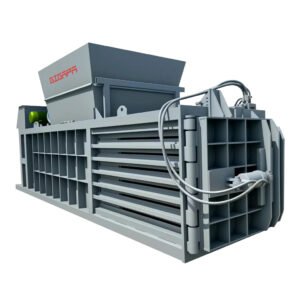
What Is a Wood Shavings Machine?
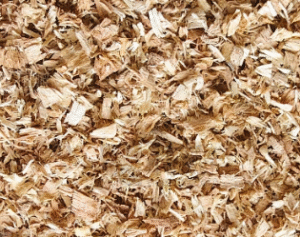
A wood shavings machine is a specialized machine designed to shave wood materials into thin, curly flakes known as wood shavings. The machine uses sharp rotating blades to remove layers from logs or wooden boards, producing uniform shavings suitable for various industrial and agricultural applications.
Unlike wood chippers, which produce coarse chips, or sawdust machines, which generate fine particles, wood shaving machines produce soft, lightweight, and fluffy shavings.
The produced wood shavings can be used in various industries, such as:
- Animal bedding
- Poultry farming
- Pet products
- Packaging materials
- Mushroom cultivation
- Biomass fuel production
Modern wood shaving machines are designed to provide the following:
- High efficiency
- Stable output
- Uniform shaving size
- Low maintenance cost
These features make them an essential piece of equipment for wood processing factories and agricultural businesses.
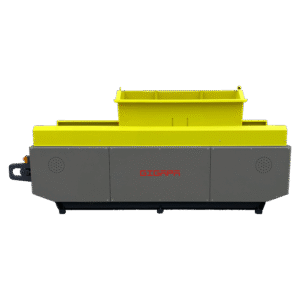
How Does a Wood Shavings Machine Work?
The working principle of a wood shavings machine is based on rotary cutting technology. The process typically includes several steps.
- Feeding the Raw Materials: Logs or wooden boards are fed into the machine through the feeding inlet. Depending on the model, feeding can be manual or automated with a conveyor system. Some industrial machines are designed to process large-diameter logs, while smaller machines are suitable for branches and scrap wood.
- High-Speed Blade Cutting: Inside the machine, a rotating drum or disc equipped with multiple sharp blades cuts the wood surface layer by layer. As the blades rotate at high speed, thin layers of wood are shaved off. The blade design determines the size, thickness, and shape of the wood shavings.
- Shavings Collection: The finished wood shavings exit through a discharge outlet. In many production lines, a blower or conveyor transports the shavings to a storage area, bagging machine, or packaging system.
- Adjustable Thickness: Most modern wood-shaving machines allow operators to adjust the thickness of the shavings by modifying the blade position or cutting gap. This feature ensures the machine can produce shavings suitable for different industries.
This flexible adjustment ensures the machine can produce shavings suitable for different applications.
Raw Materials Suitable for Wood Shavings Machines
One of the key advantages of wood shaving machines is their ability to process a wide variety of wood materials.
Common raw materials include:
- Pine wood
- Poplar wood
- Eucalyptus wood
- Hardwood logs
- Wood boards
- Pallets
- Wood branches
- Wood scraps
However, it is important to avoid materials that contain:
- Nails
- Metal parts
- Stones
- Excessive moisture
These materials may damage the cutting blades or reduce machine efficiency.
Applications of Wood Shavings
Wood shavings produced by a wood shavings machine have numerous applications across different industries.
- Animal Bedding: This is the largest application for wood shavings. Wood shavings are widely used for bedding in the following: horse stables, poultry farms, rabbit farms, dairy farms, and pet cages. Benefits include excellent moisture absorption, soft and comfortable bedding, Odor control, and improved hygiene for animals
- Poultry Farming: In poultry farms, wood shavings help maintain a clean and dry environment for chickens and other birds. Proper bedding reduces the following: Disease risk, ammonia buildup, and foot injuries
- Mushroom Cultivation: Wood shavings are also used as substrate material for mushroom cultivation, especially for certain types of mushrooms. They help provide: Proper aeration, Moisture retention, Nutrient support
- Packaging Materials: Wood shavings are widely used as eco-friendly packaging materials for fragile goods such as glass products, ceramics, wine bottles, and handicrafts. They provide natural cushioning and protection during transportation.
- Biomass Energy Production: Wood shavings can also serve as raw materials for the following: Biomass pellets, biomass briquettes, and biofuel production. This makes them valuable for renewable energy industries.
Advantages of Using a Wood Shavings Machine
Investing in a wood shavings machine offers numerous advantages for businesses involved in wood processing and agricultural supply.
- Efficient Wood Waste Recycling: Wood waste materials, such as offcuts and scrap wood, can be converted into valuable products instead of being discarded.
- Increased Profit Opportunities: Wood shavings are in high demand in industries such as farming, packaging, and biomass energy. Producing them can create an additional revenue stream.
- Reduced Labor Costs: Automated wood shavings machines require minimal manual labor, which significantly reduces operating costs.
- Consistent Product Quality: Machines ensure uniform shaving size, which improves product quality and customer satisfaction.
- Environmentally Friendly Production: Using wood waste to produce shavings supports sustainable manufacturing and waste reduction.


Maintenance Tips for Wood-Shaving Machines
Proper maintenance helps extend machine lifespan and ensure stable performance.
Important maintenance practices include:
- Regular Blade Inspection: Blades should be checked frequently and sharpened or replaced when necessary.
- Lubrication: Proper lubrication reduces friction and prevents premature wear of moving parts.
- Cleaning: Remove accumulated wood dust and debris regularly to prevent blockages.
- Safety Checks: Ensure all safety devices and protective covers are functioning properly. Routine maintenance can greatly reduce downtime and repair costs.
Future Trends of Wood Shavings Production Equipment
With the rapid development of automation and environmental protection technologies, wood shavings machines are becoming more advanced.
Future trends include the following:
- Fully automatic production lines
- Energy-efficient designs
- Smart monitoring systems
- Integration with packaging equipment
These innovations will further improve production efficiency and reduce labor costs.
Conclusion
A wood shavings machine is an essential piece of equipment for businesses involved in wood processing, agriculture, and biomass production. By efficiently converting raw wood materials into high-quality shavings, these machines help companies reduce waste, increase productivity, and create valuable products.
Whether you operate a poultry farm, horse stable, packaging company, or biomass plant, investing in a reliable wood shaving machine can significantly improve your operational efficiency.
Choosing the right machine with suitable capacity, durable blades, and stable performance is key to long-term success.