-200x45.png)
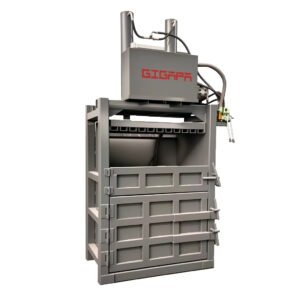
Marine Baler has become an essential solution in today’s maritime industry, where effective waste management is no longer optional but a regulatory requirement and operational necessity. With increasing global emphasis on environmental protection and stricter regulations such as MARPOL Annex V, ships must adopt efficient systems to manage and reduce onboard waste, making Marine Balers one of the most reliable and widely used choices.
A marine baler is specifically designed to compress and reduce the volume of various types of ship-generated waste, including plastics, paper, cardboard, aluminum cans, and general dry waste. By minimizing storage space and improving waste handling efficiency, Marine Balers play a crucial role in helping vessels operate sustainably while reducing operational costs.
What is a marine baler?
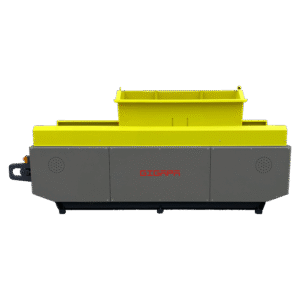
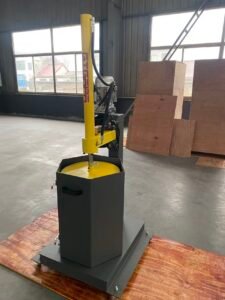
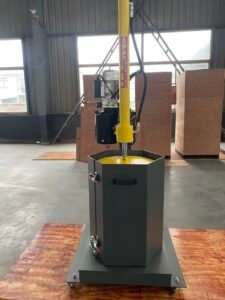
A marine baler is a compact hydraulic waste compaction machine designed for use in marine environments such as cargo ships, cruise liners, offshore platforms, and naval vessels. Its primary function is to compress loose waste materials into dense, manageable bales, significantly reducing their volume.
Unlike standard balers used on land, Marine Balers are engineered to withstand harsh marine conditions, including
- High humidity
- Saltwater corrosion
- Limited installation space
- Continuous vibration
These machines are typically installed in waste handling rooms or engine rooms onboard ships, where they process waste generated during daily operations.
Why Marine Balers Are Essential for Ships?
- Compliance with International Regulations
The International Maritime Organization (IMO) enforces strict regulations under MARPOL Annex V, which restricts the disposal of waste into the ocean. Ships must store waste onboard until it can be properly discharged at port reception facilities.
Marine balers help vessels comply with these regulations by:
- Reducing waste volume for easier storage
- Organizing waste into compact, manageable units
- Preventing illegal dumping
- Space Optimization
Space is extremely limited on ships. Loose waste can quickly occupy valuable storage areas, leading to operational inefficiencies.
By compressing waste into dense bales, marine balers can reduce waste volume by up to 80–90%, freeing up valuable onboard space.
- Improved Hygiene and Safety
Unmanaged waste can lead to:
- Unpleasant odors
- Pest infestations
- Fire hazards
- Cost Reduction
Efficient waste management directly reduces operational costs by:
- Lowering waste storage requirements
- Reducing the frequency of waste disposal at ports
- Improving handling efficiency for the crew
Types of Waste Processed by Marine Balers
A high-quality marine baler is capable of handling a wide range of onboard waste materials, including
- Plastic Waste
- PET bottles
- Plastic packaging
- Shrink wrap
- Food containers
- Paper and Cardboard
- Cartons
- Packaging materials
- Office waste
- Metal Waste
- Aluminum cans
- Tin containers
- General Dry Waste
- Mixed recyclable materials
- Non-hazardous waste
Some advanced marine balers can also handle light textiles and soft packaging materials.
Key Features of Marine Balers
- Compact Design
Marine balers are designed with space constraints in mind. Their compact footprint allows installation in confined shipboard environments without compromising performance.
- Corrosion Resistance
To withstand the marine environment, these machines are built using:
- Anti-corrosion coatings
- Stainless steel components
- Marine-grade materials
- Hydraulic Power System
A robust hydraulic system ensures the following:
- High compression force
- Stable performance
- Low maintenance requirements
- User-Friendly Operation
Modern marine balers feature the following:
- PLC control systems
- Automatic or semi-automatic operation
- Safety interlocks and emergency stop functions
- Energy Efficiency
Designed to minimize power consumption while maintaining high output, making them suitable for onboard power systems.
Applications of Marine Balers
Marine balers are widely used across various maritime sectors:
- Cargo Ships
Handle packaging waste generated during loading and unloading operations.
- Cruise Ships
Manage large volumes of daily waste from passengers, including food packaging, bottles, and paper.
- Offshore Platforms
Ensure proper waste handling in remote locations where disposal options are limited.
- Naval Vessels
Maintain operational efficiency and cleanliness in military environments.
- Fishing Vessels
Compact waste is generated during long voyages to maintain hygiene and compliance.
Advantages of Using a Marine Baler
- Significant Volume Reduction
Marine balers can compress waste to a fraction of its original size, improving storage efficiency.
- Environmental Protection
By preventing waste discharge into oceans, marine balers contribute to marine ecosystem preservation.
- Enhanced Operational Efficiency
Crew members can handle waste more easily and spend less time managing storage.
- Reduced Disposal Costs
Compact bales are easier and cheaper to transport and dispose of at ports.
- Long Service Life
High-quality marine balers are designed for durability, ensuring reliable performance over many years.
How to Choose the Right Marine Baler
Selecting the appropriate marine baler depends on several factors:
- Vessel Type and Size
Larger vessels require higher-capacity balers, while smaller ships benefit from compact models.
- Waste Volume
Estimate daily waste generation to determine the required processing capacity.
- Material Type
Ensure the baler can handle the specific types of waste generated onboard.
- Installation Space
Measure available space to select a model with suitable dimensions.
- Power Supply
Confirm compatibility with the ship’s electrical system.
- Automation Level
Choose between manual, semi-automatic, or fully automatic systems based on operational needs.
Maintenance and Safety Considerations
- Regular Maintenance
To ensure optimal performance:
- Lubricate moving parts
- Check hydraulic oil levels
- Inspect seals and hoses
- Clean the chamber regularly
- Safety Measures
- Always follow operating procedures
- Use protective equipment
- Ensure safety guards are in place
- Train crew members properly
Future Trends in Marine Waste Management
With increasing environmental awareness, marine balers are evolving to include the following:
- Smart monitoring systems
- IoT integration for performance tracking
- Improved energy efficiency
- Enhanced automation
These innovations will further improve waste management efficiency and sustainability in the maritime industry.
Future Trends in Marine Balers
As the maritime industry evolves, marine balers are becoming more advanced with:
- Smart monitoring systems
- IoT integration
- Automated operation
- Enhanced energy efficiency
These innovations will further improve waste management efficiency and environmental compliance.
Conclusion
The Marine Baler has become an indispensable piece of equipment for modern vessels, offering an efficient, reliable, and environmentally responsible solution for onboard waste management. By significantly reducing waste volume, improving hygiene, and ensuring compliance with international regulations, Marine Balers help ship operators optimize operations while protecting the marine environment.
As the maritime industry continues to prioritize sustainability, investing in a high-quality marine baler is not just a practical decision—it is a strategic one. Whether for cargo ships, cruise liners, or offshore platforms, the right marine baler can transform waste handling processes and contribute to a cleaner, more efficient future at sea.