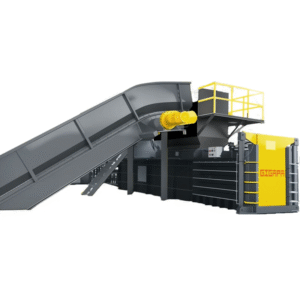
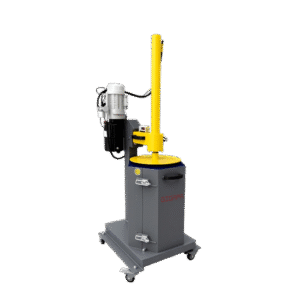
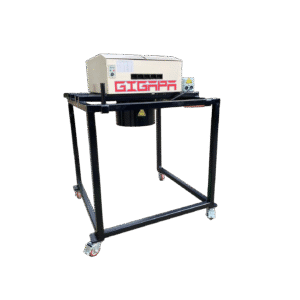
-200x45.png)
Woven bag shredder technology is playing an increasingly important role as industries around the world continue to focus on sustainability and efficient waste management. With factories, farms, packaging companies, and logistics businesses generating large amounts of plastic waste every year, recycling materials such as PP woven bags has become more important than ever. Among the many recyclable plastics, PP woven bags are one of the most common types of industrial plastic waste.
Used for packaging cement, fertilizer, animal feed, grains, chemicals, and industrial raw materials, woven polypropylene bags are durable and lightweight—but they also create significant waste when damaged or discarded. Without proper processing equipment, these bags can occupy large storage areas, increase transportation costs, and contribute to environmental pollution.
This is where a woven bag shredder becomes essential.
A woven bag shredder is specifically designed to reduce the size of waste woven bags, jumbo bags, raffia bags, ton bags, and other soft plastic materials into smaller pieces for recycling or further processing. With high efficiency, stable operation, and customizable configurations, woven bag shredders are widely used in plastic recycling plants and industrial waste management systems.
In this article, we will explore what a woven bag shredder is, how it works, its applications, key features, advantages, and how to choose the right machine for your business.
What Is a Woven Bag Shredder?
A woven bag shredder is an industrial shredding machine designed to process soft yet tough plastic materials such as:
- PP woven bags
- Jumbo bags (FIBC bags)
- Raffia bags
- Fertilizer bags
- Cement bags
- Plastic packaging bags
- Agricultural woven sacks
- Ton bags
- Bulk container bags
- Plastic film rolls
The machine uses rotating blades or cutters to tear and shred the materials into smaller, uniform pieces, making them easier to wash, transport, granulate, or pelletize.
Compared with manual cutting or traditional crushers, a woven bag shredder provides:
- Higher efficiency
- Lower labor costs
- Better material handling
- Continuous operation
- Improved recycling quality
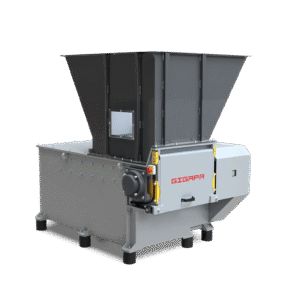


Why Is Woven Bag Recycling Important?
- Reduce Plastic Pollution
Millions of woven bags are discarded every year. If not recycled properly, they may end up in landfills, rivers, or oceans, causing serious environmental problems.
Shredding and recycling woven bags help reduce plastic waste and support a circular economy.
- Save Storage and Transportation Costs
Woven bags are lightweight but bulky. Unprocessed bags occupy large storage areas and are expensive to transport.
A shredder significantly reduces material volume, lowering transportation and storage expenses.
- Improve Recycling Efficiency
Shredded woven bags are easier to clean, dry, and process into recycled plastic pellets.
This improves the efficiency of downstream recycling equipment.
- Create Economic ValueRecycled PP materials can be reused in manufacturing plastic products, packaging materials, construction materials, and more.
Businesses can turn waste into valuable recyclable resources.
How Does a Woven Bag Shredder Work?
The operation principle of a woven bag shredder is relatively simple but highly effective.
- Material Feeding
Wasted woven bags are fed into the machine through a conveyor belt or feeding hopper.
For large jumbo bags or tangled materials, hydraulic feeding systems may be used.
- Shredding Process
Inside the shredder chamber, rotating shafts equipped with durable blades tear, cut, and shred the materials.
Depending on the machine design, the shredder may use the following:
- Single-shaft technology
- Double-shaft technology
- Four-shaft technology
The shredded output size can be adjusted according to customer requirements.
- Material Discharge
After shredding, the processed materials are discharged through a screen or conveyor system.
The shredded plastic pieces can then move on to:
- Washing systems
- Granulators
- Pelletizing lines
- Compactors
- Recycling plants
Main Features of a High-Quality Woven Bag Shredder
- High-Strength Blades
The blades are made from wear-resistant alloy steel with excellent hardness and durability.
This ensures:
- Long service life
- Reduced maintenance
- Stable shredding performance
- Powerful Drive System
Industrial-grade motors and gearboxes provide strong torque for continuous shredding operations.
Even though woven materials can be processed efficiently.
- Intelligent Control System
Modern woven bag shredders are equipped with PLC control systems featuring:
- Automatic overload protection
- Reverse rotation function
- Emergency stop system
- Intelligent operation monitoring
This improves operational safety and efficiency.
- Adjustable Output Size
Different screen sizes allow users to control the final shredded material size according to recycling requirements.
- Heavy-Duty Structure
The machine frame is welded with high-quality steel to ensure stability and long-term reliability.
Applications of Woven Bag Shredders
Woven bag shredders are widely used in many industries.
- Agriculture Industry
Agricultural businesses generate large quantities of fertilizer bags, feed bags, and grain sacks.
Shredders help manage and recycle these materials efficiently.
- Chemical Industry
Chemical packaging bags often require size reduction before disposal or recycling.
- Cement and Construction Industry
Cement bags and industrial packaging materials can be shredded for recycling or waste reduction.
- Logistics and Warehousing
Warehouses and logistics companies use woven bag shredders to manage packaging waste and reduce storage space.
Advantages of Using a Woven Bag Shredder
- Increase Recycling Efficiency
A shredder transforms bulky plastic waste into manageable pieces, improving overall recycling operations.
- Lower Labor Costs
Automated shredding reduces manual cutting and handling work.
- Improve Workplace Cleanliness
Shredded materials are easier to organize, transport, and store.
- Reduce Transportation Costs
Compacted and shredded materials occupy less space, reducing logistics expenses.
- Environmental Protection
Proper recycling helps reduce landfill waste and environmental pollution.
Frequently Asked Questions (FAQ)
1. What materials can a woven bag shredder process?
A woven bag shredder can process PP woven bags, jumbo bags, raffia bags, fertilizer bags, cement bags, ton bags, plastic films, and other soft plastic materials.
2. What is the output size of shredded woven bags?
The output size can usually be adjusted according to customer requirements and screen size configurations.
3. Can woven bag shredders work continuously?
Yes. Industrial woven bag shredders are designed for continuous heavy-duty operation.
4. Is a woven bag shredder suitable for recycling plants?
Absolutely. Woven bag shredders are widely used in plastic recycling lines for size reduction before washing and pelletizing.
5. How do I choose the right woven bag shredder?
You should consider material type, production capacity, output size, automation level, blade quality, and energy consumption.
Conclusion
A woven bag shredder is an essential machine for businesses involved in plastic recycling, waste management, agriculture, packaging, and industrial manufacturing. By efficiently shredding PP woven bags, jumbo bags, raffia bags, and other soft plastic materials, these machines help reduce waste volume, improve recycling efficiency, lower transportation costs, and support environmental sustainability.
Whether you operate a recycling plant or generate large quantities of woven bag waste, investing in a high-quality woven bag shredder can significantly improve your operational efficiency and profitability.
If you are looking for a reliable woven bag shredding solution, choosing an experienced manufacturer with strong technical support and customization capabilities is the key to long-term success.