-200x45.png)
A granulator has become one of the most important machines in modern plastic recycling systems. By cutting waste plastic materials into uniform small particles, a plastic granulator helps manufacturers recover valuable materials, reduce disposal costs, and reuse recycled plastics in new production processes.
Driven by global initiatives such as the circular economy, Extended Producer Responsibility (EPR) policies, and stricter plastic waste management regulations, the demand for advanced plastic recycling equipment continues to grow worldwide.
For recycling plants, plastic manufacturers, packaging companies, and industrial processors, investing in a reliable granulator machine is an effective way to improve operational efficiency while supporting environmental sustainability.
What Is a Granulator?
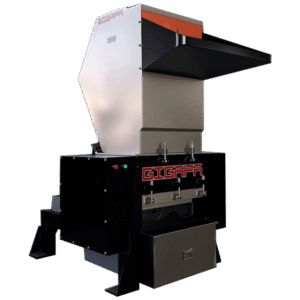
A granulator is an industrial recycling machine designed to reduce plastic waste into smaller and consistent-sized particles through a high-speed cutting process.
Unlike traditional crushing equipment that mainly breaks materials into irregular pieces, a plastic granulator uses specially designed rotating blades and fixed blades to precisely cut materials into reusable plastic granules.
The processed plastic particles can be directly reused in manufacturing or sent to further recycling processes, such as washing, drying, extrusion, and pelletizing.
A typical industrial granulator consists of the following:
- Rotor system with high-speed rotating blades
- Fixed cutting blades
- Cutting chamber
- Screen system for particle size control
- Motor and transmission system
- Automatic feeding structure
- Safety protection devices
The final particle size can be adjusted according to different recycling requirements, making granulators suitable for various industries.
Main Applications of Granulator Machines
A high-quality industrial granulator can process various types of plastic waste, including
-
Plastic Bottles
PET bottles and other beverage containers can be processed into small particles for further recycling.
-
Plastic Film
Waste packaging film, agricultural film, and industrial plastic sheets can be reduced before washing and recycling.
-
Injection Molding Waste
Plastic manufacturers often generate runners, rejected parts, and production scraps. A granulator can recycle these materials directly back into production.
-
Pipes and Profiles
Large plastic pipes and profiles can be processed after preliminary shredding.
-
Electronic Plastic Waste
Plastic components from electrical equipment can be recycled after separation and sorting.
Benefits of Using a Plastic Granulator
-
Improved Recycling Efficiency
A professional granulator machine can process large quantities of plastic waste continuously.
Compared with manual processing methods, automated granulation greatly improves productivity and reduces labor requirements.
For recycling companies handling large volumes of plastic waste, efficiency is one of the most important factors affecting profitability.
-
Consistent Particle Size
Uniform plastic particles are important for downstream recycling processes.
A well-designed plastic granulator provides stable cutting performance, ensuring consistent output size.
This improves:
- Washing efficiency
- Drying performance
- Extrusion quality
- Final recycled product quality
-
Reduced Waste Disposal Costs
Waste disposal fees continue to increase in many regions.
By installing a plastic recycling machine, companies can process their own waste materials instead of paying for disposal.
The recycled materials can also create additional economic value.
-
Lower Environmental Impact
Plastic recycling reduces the amount of plastic entering landfills and oceans.
A granulator supports sustainable manufacturing by helping businesses:
- Reduce waste generation
- Improve resource utilization
- Lower carbon emissions
- Support environmental goals
-
Easy Integration into Recycling Lines
Modern granulators can be integrated with complete recycling systems, including the following:
- Plastic shredders
- Washing machines
- Dryers
- Extruders
- Pelletizing machines
This allows companies to build customized recycling solutions based on their production requirements.
Granulator vs Shredder: What Is the Difference?
Many customers often ask about the difference between a shredder and a granulator.
Although both machines reduce material size, they serve different purposes.
Plastic Shredder
A shredder is mainly used for primary size reduction.
It processes large and difficult materials into smaller pieces.
Typical applications:
- Large plastic blocks
- Pipes
- Industrial waste
- Mixed plastic materials
Plastic Granulator
A granulator performs secondary size reduction.
It cuts materials into smaller and more uniform particles suitable for recycling.
Typical applications:
- Plastic flakes
- Production scraps
- Film materials
- Small plastic components
In many recycling systems, shredders and granulators work together:
Large waste → Shredder → Granulator → Washing → Recycling
This combination provides higher efficiency and better recycling results.
How to Choose the Right Granulator Machine?
Selecting the correct granulator machine depends on several important factors.
-
Material Type
Different plastics require different cutting designs.
Consider:
- Material hardness
- Thickness
- Size
- Moisture content
- Contamination level
For example, soft films and rigid plastics may require different rotor configurations.
-
Required Capacity
The processing capacity is another key factor.
Before purchasing equipment, companies should evaluate:
- Daily waste volume
- Production requirements
- Future expansion plans
Choosing a suitable capacity helps avoid unnecessary investment while ensuring stable operation.
-
Output Particle Size
Different applications require different particle sizes.
A reliable granulator should allow easy adjustment through different screen sizes.
-
Machine Durability
Industrial recycling equipment operates under demanding conditions.
Important factors include:
- Strong machine structure
- High-quality blades
- Efficient cooling system
- Easy maintenance design
A durable industrial granulator can reduce downtime and improve long-term profitability.
Why Choose GIGAPA Granulator Machines?
GIGAPA specializes in the research, development, and manufacturing of industrial recycling equipment, hydraulic equipment, and waste processing solutions.
Our granulator machines are designed for efficient plastic size reduction and recycling applications.
Key advantages include the following:
- Reliable cutting performance
- Strong and durable structure
- High processing efficiency
- Easy maintenance
- Customized solutions according to customer requirements
Combined with other recycling equipment such as shredders and balers, GIGAPA provides complete solutions for waste management and resource recovery industries.
Whether you are operating a recycling plant, plastic manufacturing facility, or industrial processing company, GIGAPA can help you select the right recycling equipment.
Future Development of Granulator Technology
The future of recycling equipment is moving toward higher efficiency, automation, and intelligence.
Future-generation Granulators will focus on:
- Lower energy consumption
- Smart monitoring systems
- Automatic adjustment technology
- Higher recycling efficiency
- Integration with complete recycling factories
As global demand for recycled materials continues to increase, advanced plastic granulators will play an increasingly important role in sustainable industrial development.
Conclusion
A granulator machine is a key solution for modern plastic recycling and sustainable manufacturing.
With growing environmental requirements, rising material costs, and increasing demand for recycled plastics, investing in reliable plastic recycling equipment helps companies improve efficiency while reducing environmental impact.
From plastic manufacturers to recycling companies, an efficient industrial granulator provides a practical way to transform waste materials into valuable resources.
GIGAPA is committed to providing high-quality recycling solutions and helping global customers build more efficient and sustainable production systems.