-200x45.png)
A wood pallet single-shaft shredder provides an efficient solution for processing the damaged, broken, and discarded wooden pallets widely used in logistics, warehousing, manufacturing, construction, and international transportation. Without proper recycling equipment, these bulky pallets can quickly become a significant source of wood waste, while traditional disposal methods such as manual dismantling, landfilling, or simple burning are often inefficient and costly.
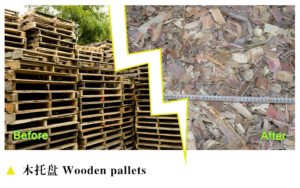
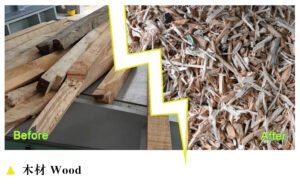
A wood pallet single-shaft shredder provides an efficient solution for reducing waste pallets into manageable wood chips or shredded material. Designed for demanding industrial applications, this type of machine can process wooden pallets, packaging boards, timber offcuts, and other wood waste while reducing material volume and preparing it for recycling, biomass fuel production, or further processing.
What Is a Wood Pallet Single-Shaft Shredder?
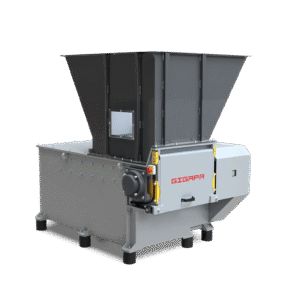
A wood pallet single-shaft shredder is an industrial recycling machine designed to reduce wooden pallets and other bulky wood materials into smaller, more uniform pieces.
Unlike traditional cutting machines, a single-shaft shredder uses a rotating rotor equipped with multiple cutting blades. Hydraulic or mechanical feeding systems push the material toward the rotating rotor, where the blades cut and tear the wood against a fixed counterknife. A screen located below the cutting chamber controls the final particle size.
The machine is particularly suitable for processing:
- Wooden pallets
- EUR pallets and industrial pallets
- Waste wooden crates
- Packaging wood
- Timber offcuts
- Furniture wood waste
- Construction wood
- Wooden boxes
- Branches and other clean wood waste
Depending on the machine configuration and screen size, the shredded wood can be used as biomass fuel, raw material for wood-based panels, animal bedding, or feedstock for further processing.
How Does a Single-Shaft Pallet Shredder Work?
The working principle of a single-shaft wood shredder is relatively simple but highly effective.
First, waste pallets are loaded into the feeding hopper. For large and bulky pallets, a hydraulic pusher can continuously push the material toward the cutting rotor. The rotor rotates at a controlled speed while the cutting blades engage with the wood.
As the pallets enter the cutting chamber, the blades tear and cut the wood into smaller pieces. Material that is already small enough passes through the screen, while larger pieces remain inside the chamber for additional cutting.
This process provides better control over output size and helps maintain stable shredding performance.
A typical shredding process includes:
Waste pallet feeding → Hydraulic pushing → Rotor cutting → Screen sizing → Discharge → Further processing
For applications requiring smaller wood particles, the shredded material can also be transferred to a hammer mill, wood crusher, screening system, or briquette/pellet production line.
Why Use a Single-Shaft Shredder for Wood Pallets?
- Efficient Processing of Bulky Pallets
Wood pallets are large and difficult to handle manually. A single-shaft shredder can process complete pallets or pre-broken pallet pieces, significantly reducing the need for labor-intensive dismantling.
This makes it a practical solution for pallet recycling companies, logistics centers, waste management facilities, and wood processing plants.
- High Torque for Tough Wood Waste
Wood pallets can contain thick boards, solid blocks, and reinforced sections. Industrial single-shaft shredders are typically designed with high-torque drive systems that provide the cutting force required for heavy wood materials.
The combination of a powerful motor, robust rotor, and durable cutting knives allows the machine to operate under demanding working conditions.
- Adjustable Output Size
One important advantage of a single-shaft shredder is its screen-based particle size control.
By selecting a suitable screen aperture, operators can achieve different output sizes according to the requirements of downstream equipment or the final application.
For example, larger wood chips may be suitable for biomass fuel, while smaller particles may be required for further grinding or board production.
- Reduced Waste Volume
Discarded pallets occupy a large amount of storage space because of their irregular and bulky shape. Shredding dramatically reduces the volume of wood waste, making transportation and storage more efficient.
For companies handling large quantities of waste pallets every day, volume reduction can help lower logistics and disposal costs.
- Suitable for Automated Recycling Lines
A wood pallet shredder can be integrated into an automated recycling system together with conveyors, magnetic separators, screens, crushers, dust collection systems, and other equipment.
This allows manufacturers to create a continuous wood waste processing line with less manual intervention.
Key Applications of Wood Pallet Shredders
A pallet shredder machine can be used in a wide range of industries.
- Pallet Recycling
Pallet recycling companies can shred damaged pallets and recover the wood for further processing. Depending on material quality, the output may be used for fuel, board manufacturing, landscaping materials, or other applications.
- Biomass Fuel Production
Shredded wood pallets can be used as a feedstock for biomass energy production. After appropriate screening and processing, the material can be supplied to biomass boilers, power plants, or wood pellet and briquette production systems.
It is important to verify that pallets are suitable for the intended fuel application, especially when coatings, paints, adhesives, or treated wood are present.
- Waste Management
Waste management companies often receive mixed loads containing wooden pallets, crates, and other bulky materials. A heavy-duty wood shredder can reduce this waste into a more manageable form before further sorting or recycling.
- Manufacturing Facilities
Factories frequently accumulate damaged pallets and wooden packaging materials. Installing a pallet shredder on-site can help reduce waste volume and improve material handling efficiency.
- Construction and Demolition Waste Processing
Construction and demolition sites can generate substantial quantities of discarded timber and wooden packaging. A suitably configured industrial wood shredder can process this material before sorting or recycling.
Single-Shaft vs. Double-Shaft Wood Shredder
When selecting a wood recycling machine, buyers often compare single-shaft shredders with double-shaft shredders.
A double-shaft shredder generally uses two counter-rotating shafts and is known for its ability to handle bulky materials with strong tearing action. It is often selected for coarse shredding and applications involving irregular feed materials.
A single-shaft shredder typically uses one rotor combined with a hydraulic pusher and sizing screen. This configuration provides more controlled particle sizing and is particularly useful when a relatively consistent output is required.
For wood pallet recycling, the best choice depends on factors such as:
- Pallet size
- Wood type and thickness
- Required output size
- Processing capacity
- Downstream equipment
- Operating hours
- Contamination level
- Available installation space
For applications requiring controlled wood chip size, a single-shaft shredder can be an excellent choice.
Choosing the Right Wood Pallet Shredder
The ideal machine depends on the specific requirements of each recycling operation.
Before purchasing a wood pallet shredding machine, consider the following questions:
What type of pallets will be processed?
Different pallet designs and wood densities may require different cutting configurations.
What is the required capacity?
Capacity should be evaluated based on actual operating conditions rather than theoretical maximum throughput.
What output size is required?
The desired particle size determines the appropriate screen configuration and whether secondary processing is needed.
Are there nails or metal parts in the pallets?
If pallets contain significant amounts of metal, the system should be designed with appropriate protection and downstream separation equipment.
Will the material be used for biomass fuel or recycling?
The final application influences the required particle size, cleanliness, and processing technology.
Conclusion
A wood pallet single-shaft shredder is an effective solution for companies looking to process waste pallets efficiently and reduce bulky wood waste. With a high-torque rotor, durable cutting knives, hydraulic feeding system, and adjustable screen, the machine can provide reliable size reduction for a wide range of wood recycling applications.
Whether the goal is pallet recycling, biomass fuel preparation, waste volume reduction, or integration into a complete wood recycling line, selecting the right shredder configuration is essential.
For the best results, buyers should evaluate the type of pallets, required capacity, output size, material contamination, operating environment, and downstream processing requirements before choosing a machine. A properly configured industrial wood shredder can help improve recycling efficiency, reduce handling costs, and turn waste pallets into a valuable secondary resource.