-200x45.png)
A fully automatic horizontal baler is an efficient solution for modern recycling, waste management, manufacturing, and logistics operations that need to process large volumes of cardboard, paper, plastic, textiles, or other recyclable materials. By streamlining material handling, this advanced baling equipment can help businesses reduce labor costs, optimize storage space, and improve overall productivity.
Designed for continuous and high-volume operation, an automatic horizontal baling machine can compress loose materials into dense, uniform bales that are easier to store, transport, and recycle. Compared with manual or semi-automatic balers, fully automatic models can significantly reduce labor requirements while maintaining consistent bale quality.
This guide explains how a fully automatic horizontal baler works, its major advantages, key applications, and the factors businesses should consider when selecting the right industrial baling machine.
What Is a Fully Automatic Horizontal Baler?
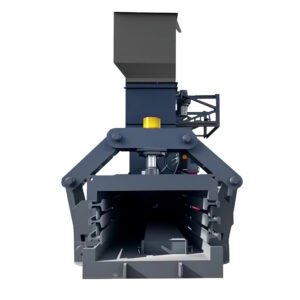
A fully automatic horizontal baler is an industrial recycling machine designed to compress large quantities of waste or recyclable materials into compact rectangular bales. The term “horizontal” refers to the horizontal compression chamber and bale discharge direction, while “fully automatic” means that feeding, compression, strapping or tying, and bale discharge can be integrated into an automated operating cycle.
Unlike vertical balers, which generally require more manual loading and operating procedures, horizontal balers are commonly used in facilities where materials are continuously generated or transported by conveyor systems.
Depending on the machine configuration, a fully automatic baler can be connected to the following:
- Conveyor feeding systems
- Sorting lines
- Waste separation equipment
- Automatic strapping systems
- Bale tying systems
- Metal detection systems
- Material handling and conveying equipment
This makes the horizontal automatic baler particularly suitable for large recycling centers, paper mills, distribution centers, manufacturing plants, and municipal waste processing facilities.

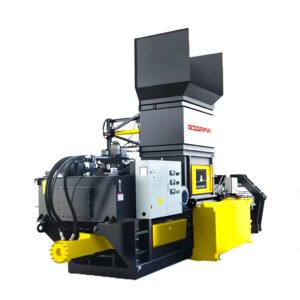
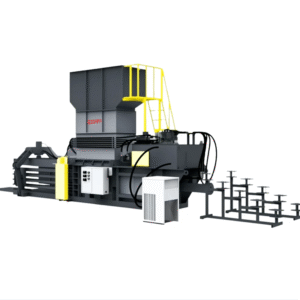
How Does an Automatic Horizontal Baler Work?
The operating process of a fully automatic horizontal baling machine is relatively straightforward but highly efficient.
- Material FeedingLoose materials such as waste paper, OCC cardboard, plastic film, PET bottles, textiles, or other recyclable materials are transported into the baler’s feeding hopper. In high-volume facilities, a conveyor can continuously deliver material to the machine.
- Material Compression
Once enough material enters the compression chamber, the hydraulic system activates the main ram. The ram applies high pressure to compact the material into a dense bale.
The compression force and chamber size can be configured according to the type of material and required bale density.
- Bale FormationThe machine repeatedly compresses incoming material until the bale reaches the preset size and density. Automated sensors and control systems help maintain consistent production.
- Automatic Tying or StrappingAfter the bale reaches the required dimensions, the machine automatically performs the tying or strapping process. Depending on the model, this may involve steel wire, PET straps, or other binding materials.
- Bale Discharge
The finished bale is automatically pushed out of the baling chamber. It can then be transferred by forklift, conveyor, bale cart, or another material-handling system.
This continuous workflow allows modern automatic balers to operate efficiently with minimal operator intervention.
Key Advantages of a Fully Automatic Horizontal Baler
- High Throughput
One of the biggest advantages of an industrial horizontal baler is its high processing capacity. It is designed for facilities that handle substantial amounts of recyclable materials every day.
Compared with manual baling systems, automatic horizontal balers can process material continuously, making them suitable for demanding industrial environments.
- Reduced Labor Costs
Automation minimizes repetitive manual operations such as feeding, compressing, tying, and removing bales. Depending on the production line, a facility may be able to reduce the number of workers required for baling operations.
This can improve productivity while allowing employees to focus on sorting, quality control, maintenance, and other higher-value tasks.
- Consistent Bale Density
Uniform bale size and density are important for storage, transportation, and recycling. An automatic horizontal baler uses controlled compression cycles to produce consistent bales.
Higher-density bales can reduce the amount of space required for storage and may also improve transportation efficiency.
- Better Space Utilization
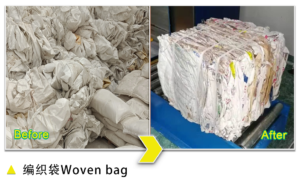
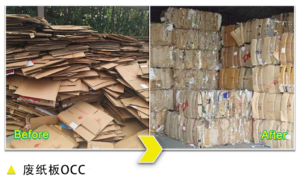
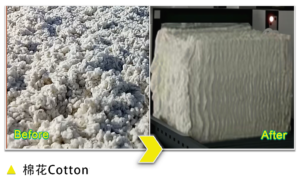
Loose cardboard, paper, and plastic can occupy a significant amount of warehouse or recycling-center space. Compressing these materials into compact bales greatly reduces their volume.
For businesses with limited warehouse capacity, this can provide a practical way to improve space utilization.
- Easy Integration Into Recycling Lines
A major advantage of fully automatic equipment is its ability to integrate with upstream and downstream systems. For example, a recycling plant can connect conveyors and sorting equipment directly to the baler.
This creates a more streamlined production process and reduces unnecessary material handling.
How to Choose the Right Automatic Horizontal Baler
Selecting the correct machine requires more than simply comparing hydraulic power or price. Several technical and operational factors should be evaluated.
- Material TypeFirst, determine exactly what materials will be processed. Cardboard, paper, plastic, textiles, and mixed waste have different characteristics and may require different compression configurations.
- Required CapacityConsider the amount of material generated per hour or per day. A machine with insufficient throughput can create a bottleneck, while an oversized machine may increase unnecessary investment and operating costs.
- Bale Size and WeightBale dimensions and weight affect storage, transportation, and downstream recycling processes. Choose specifications that match your existing handling equipment and buyer requirements.
- Compression ForceCompression force influences bale density and overall performance. Heavier or more difficult-to-compress materials may require higher compression capacity.
- Automation LevelEvaluate whether the baler needs to operate independently as part of an automated production line or whether operators will be available for manual intervention.
- Energy EfficiencyHydraulic systems, motors, control systems, and operating cycles all affect energy consumption. A well-designed machine can help reduce unnecessary energy use while maintaining production efficiency.
Maintenance Tips for a Horizontal Baling Machine
Regular maintenance is essential for maintaining reliable performance and extending machine service life.
Operators should routinely inspect hydraulic components, lubrication points, electrical connections, sensors, cutting or tying mechanisms, and compression chamber components.
It is also important to keep the feeding area clean. Accumulated paper, plastic, dust, or other debris can interfere with sensors and moving components.
A preventive maintenance schedule should include:
- Checking hydraulic oil levels and condition
- Inspecting hydraulic hoses and fittings
- Lubricating moving components
- Checking electrical connections
- Cleaning sensors and control components
- Inspecting wire or strap systems
- Checking safety devices
- Monitoring abnormal noise, vibration, or temperature
Following the manufacturer’s maintenance recommendations can help prevent unexpected downtime and reduce long-term repair costs
Conclusion
A fully automatic horizontal baler is an ideal solution for high-volume recycling and industrial waste management applications. With automated feeding, compression, tying, and bale discharge, it can provide reliable continuous operation while reducing manual labor and improving material handling efficiency.
When choosing an industrial horizontal baler, businesses should consider material type, processing capacity, bale dimensions, compression force, automation requirements, energy efficiency, safety, and after-sales service.
For recycling centers, warehouses, manufacturing facilities, paper mills, and waste management companies, investing in the right automatic horizontal baling machine can deliver long-term operational benefits and support a more efficient, organized, and sustainable recycling process.