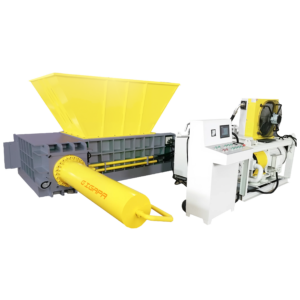
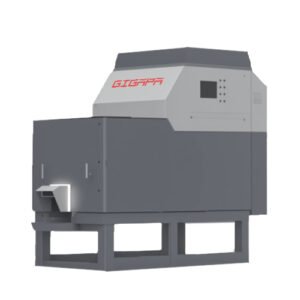
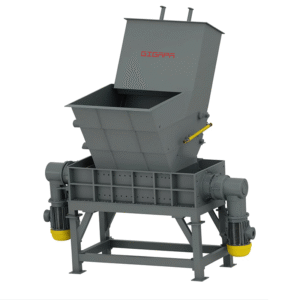
A door-covered metal baler is an efficient solution for improving scrap metal recycling operations by reducing material volume, optimizing storage space, and lowering transportation costs. In today’s competitive recycling industry, recycling facilities, scrap yards, metal processing plants, and manufacturing businesses need reliable equipment to handle loose metal scraps more effectively. Equipped with a powerful hydraulic compression system and a covered chamber, this machine transforms bulky metal waste into compact, manageable bales, making material handling more convenient and improving overall recycling efficiency.
Designed for scrap yards, metal processing plants, recycling centers, and manufacturing facilities, this hydraulic machine helps businesses improve material management while reducing labor and operational costs. But how exactly does a door-covered metal baler improve scrap metal recycling efficiency? Let’s explore its working principles, major advantages, and industrial applications.
What Is a Door-Covered Metal Baler?
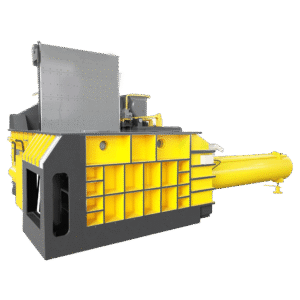
A door-covered metal baler is a hydraulic compression machine designed to compress loose metal scraps into dense, compact blocks. It typically features a compression chamber equipped with a door that closes before the hydraulic pressing process begins.
During operation, metal scraps are loaded into the chamber. Once the chamber is filled, the operator closes and locks the door. The hydraulic system then drives the pressing head to compress the material under high pressure. After reaching the required compression level, the finished metal bale can be discharged according to the machine’s design.
Compared with traditional loose scrap storage methods, this equipment significantly reduces the volume of metal waste and makes subsequent transportation, storage, and recycling easier.
Common materials processed by this machine include:
- Steel scraps and iron scraps
- Aluminum scraps and aluminum profiles
- Copper scraps and copper wires
- Stainless steel scraps
- Metal sheets and stamping waste
- Other recyclable metal materials
The machine can be configured with different pressing forces, chamber dimensions, and bale sizes to meet various production requirements.
How Does a Door-Covered Metal Baler Improve Recycling Efficiency?
-
Reduces the Volume of Scrap Metal
One of the biggest challenges in scrap metal recycling is the large volume of loose materials. Metal scraps often have irregular shapes and uneven sizes, making them difficult to stack and store efficiently.
A Door-Covered Metal Baler compresses these materials into dense blocks through hydraulic pressure. The resulting bales occupy significantly less space than loose metal scraps.
This volume reduction offers several benefits:
- Improves the utilization of warehouse space.
- Reduces the space required for temporary scrap storage.
- Makes scrap metal easier to organize and manage.
- Allows recycling facilities to handle larger quantities of materials.
For businesses dealing with large amounts of metal waste every day, reducing storage volume can make a considerable difference in overall operational efficiency.
-
Improves Transportation Efficiency
Transportation is another major expense in the scrap metal recycling industry. Loose metal scraps often leave considerable unused space in trucks and containers because of their irregular shapes.
By compressing scrap metal into compact bales, a door-covered metal baler helps improve loading efficiency. More material can be transported within the available vehicle space, reducing the number of trips required.
This can help recycling businesses:
- Lower transportation costs.
- Improve vehicle loading efficiency.
- Simplify loading and unloading operations.
- Reduce the cost of transferring scrap materials between facilities.
For companies that regularly transport scrap metal over long distances, these improvements can contribute to substantial logistics savings.
-
Produces More Uniform and Compact Metal Bales
Consistent bale dimensions are important for efficient scrap metal handling and downstream processing.
The enclosed compression chamber helps contain loose materials during the pressing process, reducing material spillage and helping produce more organized bales.
Uniform metal bales are easier to stack, store, transport, and handle with forklifts or other material-handling equipment.
In addition, compact bales can simplify the feeding process for certain downstream recycling operations, such as melting and smelting, depending on the material composition and processing requirements.
-
Minimizes Material Spillage During Compression
Loose metal scraps can scatter during handling and compression, especially when processing lightweight or irregularly shaped materials.
A key advantage of a Door-Covered Metal Baler is its enclosed chamber design. The chamber door helps keep materials contained during compression, minimizing the risk of scraps escaping from the pressing area.
This design offers several practical advantages:
- Keeps the working area cleaner.
- Reduces material loss during compression.
- Improves workplace organization.
- Makes the pressing process more controlled.
For recycling facilities processing large quantities of irregular metal scraps, better material containment can improve daily production management.
-
Reduces Manual Handling and Labor Costs
Manual handling of scrap metal requires significant time and physical effort. Workers may need to collect, move, organize, and load loose materials repeatedly.
A hydraulic metal baler streamlines these operations by allowing operators to load materials into the chamber and complete the compression process using a hydraulic system.
Depending on the machine configuration and automation level, some operations can be simplified or integrated with other material-handling equipment.
This reduces repetitive manual work, improves workflow efficiency, and allows employees to focus on other important production tasks.
What Industries Need a Door-Covered Metal Baler?
A door-covered metal baler is suitable for various industries that generate recyclable metal waste.
-
Scrap Metal Recycling Centers
Scrap yards collect different types of metal waste from individuals, businesses, and industrial suppliers. A metal baler helps compress collected materials into manageable blocks, improving storage and transportation efficiency.
-
Automotive Manufacturing Plants
Automotive factories generate metal scraps during stamping, cutting, and machining processes. Aluminum scraps, steel offcuts, and other recyclable materials can be compressed for easier collection and transportation.
-
Metal Processing Workshops
Metal fabrication facilities produce irregular metal leftovers during cutting, punching, and processing operations. Hydraulic balers help reduce the volume of these materials and keep production areas organized.
-
Steel and Aluminum Processing Industries
Steel mills and aluminum processing plants often handle substantial quantities of recyclable metal waste. A suitable baler can support their internal scrap management systems and improve material handling efficiency.
-
Machinery Manufacturing Facilities
Machinery production generates metal offcuts, machining scraps, and discarded components. Compressing these materials makes recycling and storage more convenient.
How to Choose the Right Door-Covered Metal Baler
Selecting the right machine is essential for achieving the expected productivity and long-term operating benefits. Before purchasing a door-covered metal baler, businesses should evaluate several important factors.
1. Understand Your Scrap Metal Materials
Different metals have different densities, shapes, and compression characteristics. Aluminum scraps, steel sheets, copper waste, and stainless steel materials may require different machine configurations.
Identify the main materials to be processed before selecting equipment.
2. Determine the Required Processing Capacity
The required machine capacity depends on the amount of scrap metal generated or collected daily.
Businesses should consider their hourly processing requirements, daily operating hours, and future production plans.
3. Select the Appropriate Pressing Force
Hydraulic pressing force directly affects the machine’s ability to compress different metal materials.
A higher pressing force may be necessary for certain dense or difficult-to-compress materials. However, the appropriate force should be determined according to the material type, feeding conditions, and required bale density.
4. Check Bale Size and Discharging Method
Different recycling facilities have different requirements for bale dimensions and handling methods.
Before purchasing, confirm the required bale size, weight, and discharge arrangement to ensure compatibility with existing forklifts, storage systems, and transportation equipment.
5. Consider Machine Quality and After-Sales Support
A reliable hydraulic system, durable structural components, and convenient maintenance design are important for long-term operation.
It is also worth checking the manufacturer’s production experience, customization capabilities, technical support, and spare parts availability.
Why Choose GIGAPA Door-Covered Metal Baling Machines?
Choosing an experienced manufacturer is just as important as selecting the right machine specifications.
GIGAPA specializes in the development and manufacturing of hydraulic equipment, environmental protection machinery, and solid waste recycling equipment. With more than 10 years of industry experience, the company provides practical equipment solutions for different industrial applications.
GIGAPA’s Door-Covered Metal Baler is designed to help recycling businesses compress loose metal scraps into compact bales, reduce storage requirements, and improve material handling efficiency.
Depending on customer requirements, machine configurations can be customized according to material characteristics, pressing force, chamber dimensions, bale size, and production capacity.
Whether you operate a scrap metal recycling center, a metal processing workshop, or a manufacturing facility, selecting a suitable hydraulic metal baler can help optimize your recycling operations.


Conclusion
A Door-Covered Metal Baler is an effective solution for improving scrap metal recycling efficiency. By reducing material volume, improving transportation efficiency, producing compact bales, minimizing material spillage, and simplifying manual handling, this machine helps businesses manage recyclable metal waste more effectively.
For companies looking to improve productivity and reduce operating costs, investing in suitable hydraulic metal baling equipment is a practical step toward more efficient and sustainable recycling.
If you are looking for a reliable Door-Covered Metal Baler for your recycling business, GIGAPA can provide customized equipment solutions based on your material type and production requirements.