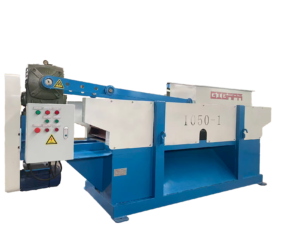
A wood shaving machine plays an essential role in animal bedding production by transforming raw timber into soft, absorbent wood shavings for livestock farms, horse stables, poultry houses, and pet care facilities. As demand for clean, comfortable, and hygienic animal bedding continues to increase, choosing the right equipment has become increasingly important for manufacturers seeking to improve production efficiency, maintain consistent product quality, and reduce operating costs.
Wood shavings are widely used as bedding materials because they offer good moisture absorption, provide cushioning, and help create a comfortable environment for animals. However, not all wood shaving machines can produce the same quality or meet different production requirements.
For businesses planning to enter the animal bedding industry or upgrade existing production lines, understanding how to select suitable equipment is essential. This guide explains the key factors to consider when choosing a wood shaving machine for animal bedding production.
Why Is Equipment Selection Important for Animal Bedding Production?
Wood shavings are widely used as animal bedding because they provide cushioning, absorb moisture, and help create a comfortable resting environment. They are particularly popular in horse stables, cattle farms, poultry facilities, and other agricultural applications.
However, different customers may have different expectations regarding shaving size, thickness, cleanliness, and moisture content. Producing bedding that meets these requirements requires suitable processing equipment.
An industrial wood shaving machine offers several advantages:
-
Consistent Product Quality: A properly configured cutting system helps produce relatively uniform wood shavings.
-
Higher Production Efficiency: Mechanical processing reduces manual work and supports continuous production.
-
Better Material Utilization: Suitable wood blocks, boards, and timber offcuts can be converted into commercially valuable bedding materials.
-
Reduced Labor Costs: Mechanical feeding and processing can simplify daily production operations.
-
Scalable Manufacturing: Businesses can select equipment according to their current output and future expansion plans.
For manufacturers, the right machine is not simply a production tool. It is an important investment that influences the efficiency of the entire bedding manufacturing process.
Identify Your Raw Materials Before Purchasing
Raw material compatibility should be the first consideration when selecting a wood shaving machine.
Different types of wood have different hardness levels, moisture contents, and physical dimensions. These characteristics influence cutting performance, blade wear, and the appearance of the finished shavings.
Common Raw Materials
Depending on the machine design, suitable materials may include:
-
Wood logs and timber sections.
-
Wooden blocks and offcuts.
-
Wood boards and planks.
-
Clean, untreated wooden pallets.
-
Suitable waste wood from furniture and woodworking factories.
Using wood processing waste can help reduce raw material expenses and improve resource utilization.
However, not all waste wood is suitable for animal bedding. Manufacturers should avoid chemically treated wood, painted materials, contaminated timber, and other potentially harmful substances.
Consider Wood Hardness and Moisture
Wood species influence the cutting process. Softwood and hardwood may produce different shaving textures and require different operating conditions.
Moisture content is equally important. Excessively wet materials may result in inconsistent shavings and increase the need for additional drying. Very hard materials may place greater demands on the cutting system.
Before purchasing equipment, provide the supplier with information about your wood species, dimensions, and moisture content. If possible, request a material processing test to evaluate the actual results.
Select the Right Production Capacity
Production capacity determines whether a machine can meet your business requirements.
Choosing equipment that is too small may create production bottlenecks, while purchasing an oversized machine can increase initial investment and operating expenses.
Therefore, estimate your production requirements before comparing different models.
Small-Scale Production
Small farms and startup businesses may only need a compact wood shaving machine for daily bedding production.
In this situation, buyers should prioritize:
-
Simple operation.
-
Convenient maintenance.
-
Reasonable power consumption.
-
Compact equipment dimensions.
-
Affordable initial investment.
Medium-Scale Manufacturing
For businesses supplying local farms, agricultural distributors, or horse stables, stable production capacity becomes more important.
A machine with efficient feeding, reliable cutting performance, and convenient blade replacement can help maintain consistent daily output.
Large-Scale Industrial Production
Commercial bedding manufacturers with substantial orders may require high-capacity equipment and automated material handling systems.
A complete production line can integrate wood shaving, drying, screening, conveying, and packaging processes.
However, buyers should remember that the actual output of a wood shaving machine depends on material characteristics, feeding conditions, cutting settings, and the required final product specifications.
Always ask the manufacturer for realistic production estimates instead of relying exclusively on maximum advertised capacity.
Evaluate the Quality of Finished Wood Shavings
Production capacity is important, but the quality of finished wood shavings ultimately determines whether the product meets customer expectations.
Different animal bedding applications have different requirements.
For example, horse bedding generally emphasizes comfort, cleanliness, and moisture management. Poultry bedding may place greater importance on moisture control and suitable particle characteristics.
When evaluating equipment, pay attention to the following aspects.
Shaving Size and Thickness
The cutting system should produce shavings suitable for your target application.
Different shaving dimensions can influence bedding texture, handling, and moisture absorption.
Before purchasing, discuss your preferred shaving size and thickness with the manufacturer.
Uniformity and Appearance
Uniform wood shavings provide a more consistent finished product and can improve packaging quality.
A stable cutting system and suitable blade configuration help reduce variations during processing.
Cleanliness and Safety
Animal bedding must be produced from suitable, uncontaminated raw materials.
Manufacturers should establish appropriate material inspection procedures to prevent chemicals, metal fragments, and other harmful substances from entering the production process.
Moisture Content
The moisture content of finished wood shavings affects storage, transportation, and bedding performance.
Depending on the initial condition of the raw materials, a separate drying process may be necessary to achieve the desired final moisture level.


How to Choose a Reliable Wood Shaving Machine Manufacturer
Selecting a professional manufacturer is just as important as choosing the right machine.
An experienced supplier should understand wood processing requirements and recommend equipment according to your specific production conditions.
Before placing an order, evaluate the following points.
Manufacturing Experience
Check whether the supplier has experience producing industrial wood processing and agricultural machinery.
Real Machine Videos
Request videos showing the machine processing actual wood materials. This helps you understand the feeding method, cutting performance, and operating process.
Detailed Technical Specifications
Ask for information about processing capacity, motor power, machine dimensions, blade configuration, and electrical requirements.
Customization Options
Different factories have different production requirements. A manufacturer offering suitable customization options may help you achieve better equipment compatibility.
After-Sales Service
Confirm whether the supplier provides installation guidance, operating instructions, maintenance recommendations, and spare parts support.
For international buyers, it is also advisable to confirm export packaging, shipping arrangements, delivery time, and available technical assistance.
Conclusion
Choosing the right wood shaving machine for animal bedding production requires a comprehensive evaluation of raw materials, production capacity, finished product quality, technical configuration, and operating expenses.
Small farms may prefer compact equipment with simple operation, while commercial bedding manufacturers may need higher-capacity machines or integrated production lines.
The best purchasing decision is not necessarily the machine with the highest output or lowest price. It is the equipment that matches your raw materials, production targets, product standards, and long-term business plans.
Before making a final decision, communicate your requirements with a professional manufacturer and request a technical proposal based on your actual materials.
With suitable equipment and a well-planned production process, businesses can improve manufacturing efficiency, make better use of wood resources, and supply consistent animal bedding products to the growing agricultural market.