-200x45.png)
Strap Chopper machines play a crucial role in today’s fast-growing recycling and waste management industry, where handling plastic waste efficiently has become more important than ever. One commonly overlooked yet significant source of recyclable material is plastic strapping, including PET and PP straps widely used in packaging industries. These straps are strong and durable, making them essential in logistics, warehousing, and manufacturing—but they also create serious disposal and recycling challenges once used.
A strap chopper is specifically designed to solve this problem by cutting plastic straps into small, manageable pieces, making recycling easier, safer, and more efficient. Whether you operate a recycling facility, warehouse, or manufacturing plant, investing in a high-quality strap chopper can significantly improve your waste management process.
What Is a Strap Chopper?
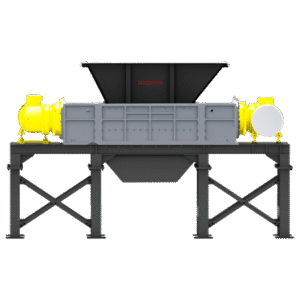
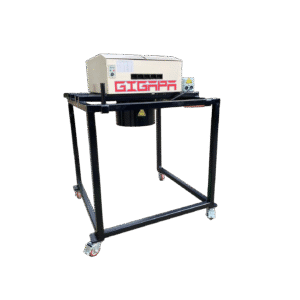
A Strap Chopper is a specialized machine used to cut plastic strapping materials—such as PET (polyethylene terephthalate) and PP (polypropylene) straps—into short segments. These chopped pieces are easier to handle, store, transport, and recycle.
Plastic straps are widely used in packaging heavy goods, pallets, cartons, and industrial products. After use, these straps are often tangled, bulky, and difficult to process. A strap chopper transforms this waste into uniform pieces, improving downstream recycling efficiency.
Why Is Plastic Strap Recycling Important?
Plastic strapping waste is generated in large quantities across industries such as logistics, construction, manufacturing, and retail. Improper disposal can lead to:
- Environmental pollution
- Increased landfill waste
- Safety hazards due to tangled straps
- Higher transportation and storage costs
By using a strap chopper, companies can:
- Reduce plastic waste volume
- Improve recycling efficiency
- Lower operational costs
- Contribute to sustainable practices
How Does a Strap Chopper Work?
The working principle of a strap chopper is simple yet highly efficient:
- Feeding: Waste plastic straps are fed into the machine manually or via a conveyor system.
- Cutting Mechanism: The machine uses high-strength rotating blades or cutters to chop the straps into small pieces.
- Discharge: The chopped material is discharged through an outlet and collected in a bin or bag.
- Optional Integration: The output can be directly connected to a granulator or recycling line for further processing.
Most strap choppers are designed for continuous operation, ensuring high productivity and minimal downtime.
Benefits of Using a Strap Chopper
- Improved Efficiency: Manual cutting of straps is time-consuming and unsafe. A strap chopper automates the process, significantly increasing productivity.
- Reduced Storage Space: Chopped straps occupy much less space compared to long, tangled straps.
- Enhanced Safety: Loose straps can cause tripping hazards or injuries. A strap chopper eliminates this risk.
- Lower Transportation Costs: Compact material is easier and cheaper to transport to recycling facilities.
- Better Recycling Output: Uniformly chopped material improves the efficiency of downstream recycling equipment like granulators.
- Environmental Protection: Helps companies meet sustainability goals by reducing plastic waste.
Key Features of a High-Quality Strap Chopper
When selecting a strap chopper, it is important to understand the features that impact performance and durability.
- Durable Cutting Blades: High-quality alloy steel blades ensure long service life and efficient cutting performance.
- Strong Motor Power: A powerful motor ensures smooth operation even when processing thick or bundled straps.
- Compact Design: Space-saving design makes it suitable for factories, warehouses, and recycling plants.
- Safety Protection System: Includes emergency stop buttons, overload protection, and safety covers to ensure operator safety.
- Easy Maintenance: Quick blade replacement and a simple cleaning design reduce downtime.
- Adjustable Output Size: Some models allow adjustment of cutting length depending on recycling requirements.
Applications of Strap Chopper Machines
Strap choppers are widely used across multiple industries, including:
- Recycling Plants: Processing large volumes of plastic strap waste for further granulation and recycling
- Warehousing & Logistics: Handling used packaging straps from pallets and shipments.
- Manufacturing Facilities: Managing internal packaging waste efficiently.
- E-commerce Fulfillment Centers: Reducing waste generated from large-scale packaging operations.
- Plastic Processing Industry: Preparing raw materials for reprocessing into new plastic products.
Types of Materials Processed
A strap chopper can handle various types of plastic straps, including
- PET straps (Polyester straps)
- PP straps (Polypropylene straps)
- Composite straps
- Woven straps (depending on machine design)
Some advanced machines can also handle light plastic bands and similar materials.
Maintenance Tips for Strap Chopper Machines
Proper maintenance ensures long service life and optimal performance:
- Regularly check and sharpen blades
- Clean the machine after use
- Inspect motor and electrical components
- Lubricate moving parts
- Replace worn components promptly
Routine maintenance minimizes downtime and extends machine lifespan.
FAQ About Strap Chopper
- What is a strap chopper used for?A strap chopper is used to cut waste plastic strapping, such as PET and PP straps, into small, uniform pieces. This makes the material easier to handle, store, transport, and recycle efficiently.
- What is the difference between a strap chopper and a plastic shredder?
A strap chopper is specifically designed for cutting straps into short, uniform lengths, while a plastic shredder is used for processing a wide range of plastic materials into irregular flakes. For strap waste, a strap chopper is more efficient and cost-effective.
- Can a strap chopper be integrated into a recycling line?
Yes, many strap choppers can be connected to conveyors, granulators, or full recycling systems to create an automated production line, improving efficiency and reducing labor costs.
- Why is using a strap chopper important for businesses?
Using a strap chopper helps businesses: reduce waste volume, improve workplace safety, lower transportation costs, and support environmental sustainability
Why Choose Our Strap Chopper?
At Nantong Gigapa Technology Co., Ltd., we specialize in manufacturing high-performance recycling and waste processing equipment. Our strap choppers are designed with:
- Advanced cutting technology
- Durable components
- High efficiency and low energy consumption
- Customizable solutions for different industries
With over 10 years of experience in machinery manufacturing, we are committed to helping customers improve productivity and reduce operational costs.
Conclusion
A Strap Chopper is an essential piece of equipment for any business dealing with plastic strapping waste. It simplifies the recycling process, improves safety, and reduces costs while contributing to environmental sustainability.
As industries continue to generate large volumes of plastic waste, investing in efficient solutions like a strap chopper is not just a smart business decision—it is a necessary step toward a greener future.
If you are looking for a reliable strap-chopper machine, feel free to contact us for more information, technical specifications, and customized solutions.