-200x45.png)
Aluminum can granulators are becoming increasingly important in the global recycling industry as demand for efficient aluminum waste processing continues to grow. Aluminum cans remain one of the most valuable recyclable materials in the waste management sector, with billions of beverage cans consumed worldwide every year. This creates a significant opportunity for resource recovery and sustainable recycling. To improve recycling efficiency, reduce material volume, and lower transportation and processing costs, more recycling facilities are investing in advanced aluminum can granulators.
An aluminum can granulator is specifically designed to reduce used aluminum cans into small, uniform granules, making them easier to transport, store, separate, and recycle. Compared with traditional crushing methods, granulation offers a more consistent particle size and improves the efficiency of downstream recycling processes.
Whether you operate a recycling center, scrap yard, waste management facility, or aluminum processing plant, a high-quality aluminum can granulator can significantly improve productivity while supporting environmental sustainability.
What Is an Aluminum Can Granulator?
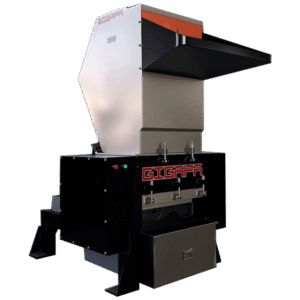
An aluminum can granulator is a recycling machine that cuts, crushes, and granulates aluminum cans into small pieces through high-speed rotating blades and stationary knives. The resulting material can be directly used for melting, remanufacturing, or further separation processes.
The machine is commonly used to process:
- Beverage cans
- Soft drink cans
- Beer cans
- Energy drink cans
- Aluminum food containers
- Thin aluminum packaging materials
- Aluminum foil scraps
- Lightweight aluminum products
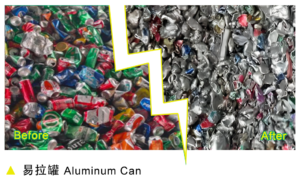
By reducing bulky cans into dense granules, the machine improves material handling and increases the value of recycled aluminum.
Why Recycle Aluminum Cans?
Aluminum is one of the most sustainable materials available because it can be recycled repeatedly without losing its original properties.
- Energy SavingsProducing aluminum from recycled materials requires approximately 95% less energy than manufacturing aluminum from raw bauxite ore.
- Reduced Carbon EmissionsRecycling aluminum significantly lowers greenhouse gas emissions and helps companies achieve sustainability goals.
- Lower Landfill WasteMillions of aluminum cans are discarded every day. Recycling prevents valuable materials from ending up in landfills.
- Economic BenefitsAluminum scrap maintains a relatively high market value, making it one of the most profitable recyclable materials for recycling businesses.
How Does an Aluminum Can Granulator Work?
The operating principle of an aluminum can granulator is simple yet highly effective.
Step 1: Material Feeding
Used aluminum cans are fed into the machine manually or through an automatic conveyor system.
Step 2: Cutting and Granulating
The rotor, equipped with multiple rotating blades, cuts and granulates the aluminum cans against stationary knives. The material is continuously reduced in size as it moves through the cutting chamber.
Step 3: Screening
A screen located beneath the rotor controls the final particle size. Only material that reaches the desired size passes through the screen.
Step 4: Material Discharge
The finished aluminum granules are discharged through an outlet or conveyed to the next processing stage.
The result is a consistent and uniform aluminum particle size suitable for recycling and smelting operations.
Key Features of an Aluminum Can Granulator
- High-Efficiency GranulationThe machine can rapidly process large volumes of aluminum cans while maintaining consistent output quality.
- Durable Cutting BladesHigh-strength alloy steel blades provide excellent wear resistance and long service life, even under continuous operation.
- Uniform Output SizeThe screen system ensures a consistent particle size, improving downstream processing efficiency.
- Stable PerformanceHeavy-duty construction minimizes vibration and allows for reliable operation over extended periods.
- Easy MaintenanceThe cutting chamber is designed for quick access, making blade replacement and maintenance simple and efficient.
- Low Energy ConsumptionOptimized rotor design and efficient drive systems reduce power consumption while maintaining high throughput.
- Safety ProtectionModern granulators include emergency stop systems, overload protection, and safety interlocks to ensure operator safety.
Advantages of Using an Aluminum Can Granulator
- Improved Transportation EfficiencyLoose aluminum cans occupy significant space during transportation. Granulated aluminum is much denser, reducing transportation costs.
- Increased Storage CapacityGranulated material requires less storage space, allowing facilities to maximize warehouse utilization.
- Higher Material ValueUniform aluminum granules are often more attractive to smelters and recyclers, potentially increasing scrap value.
- Better Separation EfficiencySmaller particle sizes can improve the effectiveness of subsequent sorting and separation equipment.
- Enhanced Recycling ProductivityBy processing aluminum cans into manageable granules, recycling facilities can streamline operations and increase overall throughput.
Applications of Aluminum Can Granulators
An aluminum can granulator is suitable for various industries and recycling operations.
- Recycling CentersProcessing collected aluminum cans into granules for resale or further recycling.
- Scrap Metal YardsReducing material volume and improving scrap handling efficiency.
- Beverage ManufacturersManaging production waste and defective aluminum containers.
- Waste Management CompaniesSupporting large-scale aluminum recycling programs.
- Metal Processing Facilities Preparing aluminum scrap for smelting and remanufacturing.
- Municipal Recycling PlantsProcessing post-consumer aluminum packaging waste.
Factors to Consider When Choosing an Aluminum Can Granulator
Selecting the right machine depends on your production requirements and material characteristics.
- Capacity RequirementsDetermine how much aluminum material you need to process per hour.Typical capacities range from
- 100–300 kg/h
- 300–500 kg/h
- 500–1000 kg/h
- Over 1000 kg/h
- Desired Output SizeDifferent recycling applications require different particle sizes. Choose a granulator with suitable screen options.
- Material ConditionsConsider whether the cans are clean, compressed, mixed with other materials, or contaminated.
- Automation LevelAutomatic feeding and discharge systems can significantly reduce labor costs.
- Maintenance RequirementsChoose equipment with easy blade access and convenient maintenance features.
- Manufacturer SupportReliable technical support and spare parts availability are essential for long-term operation.
Maintenance Tips for Aluminum Can Granulators
Regular maintenance helps maximize equipment lifespan and performance.
- Inspect Blades RegularlySharp blades ensure efficient cutting and lower energy consumption.
- Check FastenersVerify that all bolts and components remain securely tightened.
- Lubricate Moving PartsFollow the manufacturer’s lubrication schedule for bearings and rotating components.
- Clean the Cutting ChamberRemove accumulated dust and debris to maintain optimal performance.
- Monitor Motor PerformanceUnusual noise, vibration, or increased power consumption may indicate maintenance needs.
- Replace Worn ScreensDamaged screens can affect particle size consistency and machine efficiency.
Conclusion
An aluminum can granulator is an essential machine for modern aluminum recycling operations. Converting bulky aluminum cans into uniform granules, it helps improve transportation efficiency, increase storage capacity, enhance recycling productivity, and maximize material value.
As the global recycling industry continues to expand, investing in a high-quality aluminum can granulator can provide significant economic and environmental benefits. From scrap yards and recycling centers to beverage manufacturers and municipal recycling facilities, aluminum can granulators play a vital role in supporting sustainable resource recovery.