-200x45.png)
How to Improve Transportation Efficiency in Scrap Metal Recycling
Transportation is one of the highest operating costs in the scrap metal recycling industry. Whether collecting steel scrap, iron scrap, aluminum, copper, stainless steel, or mixed metal waste, moving bulky and irregular materials from collection sites to processing facilities can consume a significant portion of operating expenses.
With rising fuel prices, increasing labor costs, and stricter environmental regulations, improving transportation efficiency has become essential for scrap yards, recycling centers, demolition contractors, manufacturing plants, and waste management companies.
The good news is that transportation efficiency isn’t just about buying more trucks. It involves optimizing the entire recycling process—from collection and material preparation to compaction, shredding, loading, and logistics planning.
This guide explores practical strategies that can dramatically reduce transportation costs while increasing productivity and profitability.
Why Transportation Efficiency Matters in Scrap Metal Recycling
Loose scrap metal occupies a surprisingly large amount of space. Materials such as:
- Steel offcuts
- Iron scrap
- Sheet metal
- Pipes
- Aluminum profiles
- Car body panels
- Metal drums
- Household appliances
- Industrial production waste
often contain large air gaps that reduce truck utilization.
For many recycling businesses, trucks reach their volume limit long before reaching their legal weight limit.
This means companies are paying to transport empty space instead of valuable recyclable materials.
Poor transportation efficiency leads to:
- Higher fuel consumption
- Increased labor costs
- More truck trips
- Greater vehicle wear
- Higher carbon emissions
- Reduced profit margins
Improving loading density is therefore one of the fastest ways to reduce overall recycling costs.
Common Transportation Challenges in Scrap Metal Recycling
- Bulky and Irregular Shapes
Unlike standardized products, scrap metal comes in various shapes and sizes.
Examples include:
- Long steel bars
- Metal sheets
- Wire bundles
- Machinery parts
- Vehicle components
- Construction demolition waste
These materials are difficult to stack efficiently.
- Low Loading Density
Loose scrap often fills an entire container while weighing only a fraction of its maximum payload.
This means companies pay for transportation without maximizing truck capacity.
- Multiple Collection Points
Scrap collection often involves numerous suppliers spread across different locations.
Frequent loading and unloading increase transportation time and labor expenses.
- High Fuel Costs
Fuel is one of the largest ongoing operational expenses.
Long-distance transportation combined with inefficient loading significantly increases fuel consumption per ton of recycled material.
- Manual Handling
Without proper equipment, workers spend considerable time sorting, cutting, and loading scrap manually.
This slows operations and increases labor costs.
Strategy 1: Use Scrap Metal Balers
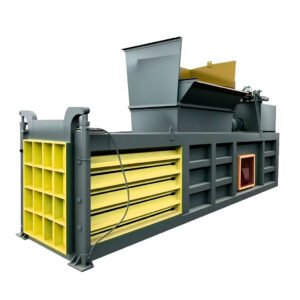
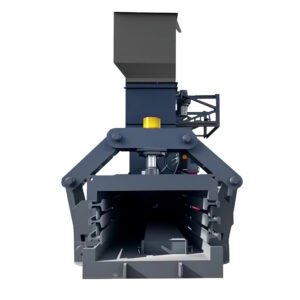
One of the most effective ways to improve transportation efficiency is by using a scrap metal baler.
Hydraulic balers compress loose metal into dense, compact bales that are easier to transport and store.
Typical materials include the following:
- Steel scrap
- Iron scrap
- Aluminum cans
- Copper
- Stainless steel
- Metal shavings
- Car body scrap
- Beverage cans
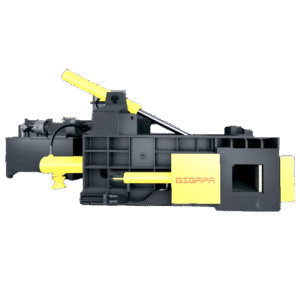
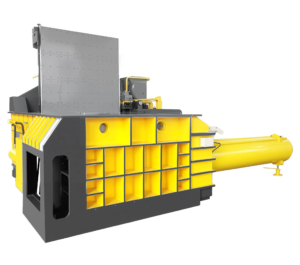
Benefits of Metal Balers:
- Increase Truck Loading Capacity
Compressed bales occupy much less space.
More material fits into each truck or shipping container.
Companies often reduce transportation frequency by 30–60%.
- Lower Fuel Costs
Fewer truck trips mean lower diesel consumption and reduced transportation expenses.
- Faster Loading
Uniform bales can be handled using forklifts or cranes.
Loading becomes quicker and safer than handling loose scrap.
- Easier Storage
Compact bales require less warehouse space and improve inventory management.
Strategy 2: Install a Metal Shredder
Large scrap pieces often create loading inefficiencies.
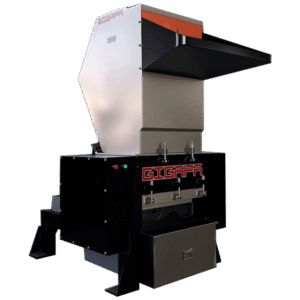
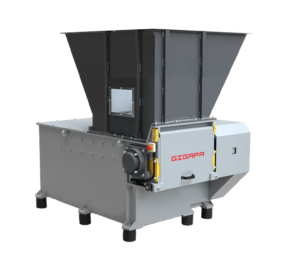
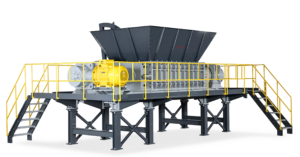
A double shaft shredder or single shaft shredder reduces oversized materials into smaller, uniform pieces.
Suitable materials include:
- Steel pipes
- Car bodies
- Steel drums
- Appliances
- Aluminum profiles
- Industrial scrap
- Structural steel
Transportation Advantages
Shredded scrap:
- packs more densely
- loads more evenly
- reduces empty spaces
- improves container utilization
Many recycling plants combine shredders with balers for maximum transportation efficiency.
Strategy 3: Separate Scrap by Material Type
Sorting materials before transportation improves loading efficiency and downstream processing.
Typical classifications include the following:
- Carbon steel
- Stainless steel
- Cast iron
- Copper
- Aluminum
- Brass
- Mixed metals
Benefits include:
- Better pricing from buyers
- Faster unloading
- Reduced contamination
- Higher recycling efficiency
Strategy 4: Handle Metal Chips and Turnings Efficiently
Machine shops generate large quantities of:
- Steel chips
- Aluminum chips
- Copper turnings
- Brass shavings
- Cast iron swarf
Loose chips contain cutting fluids and occupy excessive space.
A swarf compactor compresses metal chips into dense briquettes while recovering cutting oil.
Benefits include:
- Reduced transportation volume
- Lower moisture content
- Higher scrap value
- Easier handling
Strategy 5: Standardize Bale Sizes
Uniform bale dimensions simplify transportation and storage.
Standard bales:
- stack efficiently
- reduce loading time
- maximize container utilization
- improve warehouse organization
Hydraulic metal balers can produce consistent bale sizes according to customer requirements.
Strategy 6: Maintain Equipment Regularly
Poorly maintained equipment reduces production efficiency and creates transportation delays.
Routine maintenance should include the following:
- Hydraulic oil inspection
- Blade replacement
- Lubrication
- Cylinder inspection
- Electrical system checks
Reliable equipment ensures continuous operation and consistent material preparation.
Recommended Equipment for Improving Transportation Efficiency
Hydraulic Metal Balers
Ideal for:
- Steel scrap
- Iron scrap
- Aluminum
- Copper
- Stainless steel
Main advantages:
- High compression force
- Reduced transportation costs
- Easy loading
- High-density bales
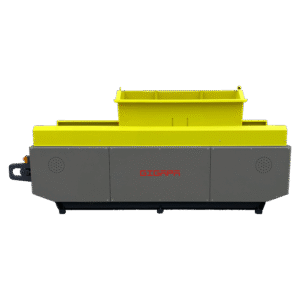
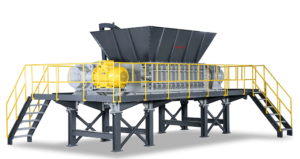
Double Shaft Shredders
Suitable for:
- Heavy steel scrap
- Metal drums
- Car shells
- Industrial waste
Features:
- High torque
- Low speed
- Stable performance
- Reduced material size
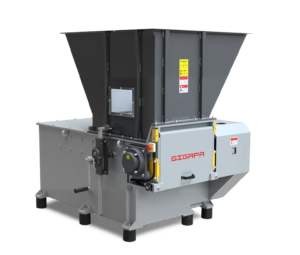
Single Shaft Shredders
Best for:
- Light metal scrap
- Aluminum profiles
- Mixed recyclables
Benefits:
- Uniform particle size
- Efficient feeding
- Continuous operation
Environmental Benefits
Improving transportation efficiency also supports sustainability goals.
Benefits include:
- Lower fuel consumption
- Reduced CO₂ emissions
- Fewer vehicle trips
- Less traffic congestion
- Improved resource utilization
Many recycling companies now prioritize transportation optimization as part of their ESG (Environmental, Social, and Governance) initiatives.
Choosing the Right Equipment
When selecting recycling equipment, consider:
- Material type
- Scrap size and density
- Daily processing capacity
- Available workspace
- Automation requirements
- Transportation distance
- Future production expansion
Working with an experienced recycling equipment manufacturer helps ensure that the selected machinery matches your operational needs and delivers the best return on investment.
Conclusion
Transportation efficiency is a critical factor in the profitability of scrap metal recycling. By combining efficient collection methods, advanced baling and shredding equipment, optimized logistics, and proper material handling, recycling businesses can significantly reduce transportation costs while increasing productivity.
Investing in the right recycling equipment not only improves operational performance but also supports environmental sustainability through lower fuel consumption and reduced emissions.
As the global recycling industry continues to grow, companies that prioritize transportation efficiency will be better positioned to remain competitive, maximize resource recovery, and achieve long-term success.