-200x45.png)
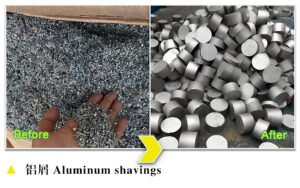
A metal briquetting press machine is becoming an essential solution for modern metal recycling as the manufacturing industry continues to expand. With the growth of machining, casting, automotive, aerospace, and metal processing sectors, the volume of metal waste generated worldwide is increasing rapidly. Materials such as aluminum chips, steel turnings, copper scraps, and cast iron swarf are valuable recyclable resources, but their loose structure and low density make storage, transportation, and recycling processes less efficient.
Traditional methods of handling metal scraps often require large storage areas, frequent transportation, and additional labor costs. A metal briquetting press machine helps solve these challenges by compressing loose metal waste into high-density briquettes, reducing material volume, improving handling efficiency, and increasing the recycling value of metal scraps.
With growing environmental awareness and stricter resource management requirements, more manufacturers are investing in advanced metal recycling equipment to achieve sustainable production. The metal briquetting press machine provides an effective way to maximize metal recovery while reducing operational costs.
What Is a Metal Briquetting Press Machine?
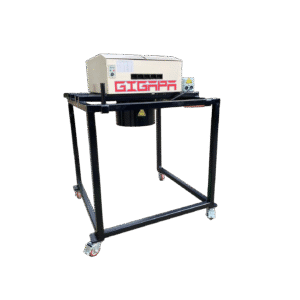
A metal briquetting press machine is an industrial recycling device designed to compress loose metal scraps, chips, and swarf into compact briquettes through powerful hydraulic pressure.
During metal machining processes, materials such as aluminum chips, steel turnings, copper scraps, and cast iron residues are often produced in large quantities. These metal wastes usually have irregular shapes and contain a large amount of air space, making them difficult to store and transport efficiently.
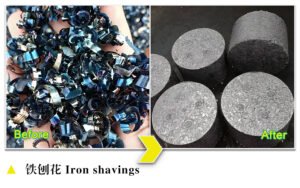
The metal briquetting press machine uses a hydraulic compression system to remove the gaps between metal particles and form dense briquettes with consistent shapes and sizes. These compressed briquettes are easier to handle, transport, store, and recycle.
Common materials processed by a metal briquetting press machine include the following:
- Aluminum chips and turnings
- Copper scraps
- Steel chips
- Cast iron swarf
- Brass and bronze waste
- Stainless steel residues
- Other metal processing waste
By converting loose metal scraps into compact briquettes, manufacturers can improve recycling efficiency and recover more valuable metal resources.
Why Is a Metal Briquetting Press Machine Important for Metal Recycling?
- Reduce Storage Space Requirements
Loose metal chips usually have low density because of their irregular shapes and large air gaps. This means factories need significant storage space to hold the same amount of material.
A metal briquetting press machine compresses metal scraps into dense briquettes, greatly reducing the occupied volume. This allows factories to use their storage areas more efficiently.
For industries generating large amounts of metal waste every day, reducing storage requirements can significantly improve overall production management.
- Lower Transportation Costs
Transportation efficiency is an important factor in metal recycling. Loose metal scraps occupy more space, which limits the amount of material that can be transported in each shipment.
After processing through a metal briquetting press machine, metal scraps become compact briquettes with higher density. More material can be loaded into transport vehicles, reducing transportation frequency and lowering logistics costs.
- Improve Metal Recovery Rate
Small metal chips and particles can easily be lost during handling, transportation, and melting processes. This leads to unnecessary material waste and economic losses.
A metal briquetting press machine creates solid briquettes that are easier to collect and process. The compact form improves metal recovery efficiency and helps companies maximize the value of recyclable materials.
- Support Sustainable Manufacturing
As industries worldwide focus on environmental protection and circular economy development, efficient recycling solutions are becoming increasingly important.
Using a metal briquetting press machine helps companies reduce waste, reuse valuable metal resources, and minimize the environmental impact of manufacturing operations.
How Does a Hydraulic Metal Briquetting Press Machine Work?
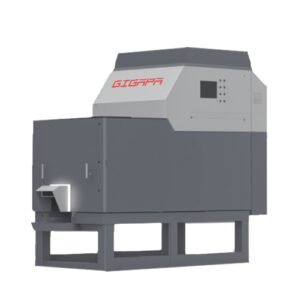
A hydraulic metal briquetting press machine operates through a high-pressure hydraulic system that compresses loose metal scraps into dense briquettes.
The working process usually includes the following steps:
Step 1: Material Feeding
Metal chips, turnings, or scraps are collected and loaded into the feeding chamber of the machine. Depending on the production requirements, materials can be fed manually or through an automatic feeding system.
Step 2: Hydraulic Compression
The hydraulic cylinder generates strong pressure to compress the metal materials inside the compression chamber. The high-pressure force removes air gaps and increases the density of the material.
Step 3: Briquette Formation
After reaching the required compression pressure, the metal scraps are formed into solid briquettes with a fixed size and shape.
Step 4: Briquette Discharge
The finished metal briquettes are automatically discharged and collected for transportation, storage, or direct recycling.
The hydraulic system ensures stable operation, strong compression performance, and long service life, making it suitable for continuous industrial applications.
Main Advantages of a Metal Briquetting Press Machine
- High Compression Efficiency
A metal briquetting press machine can significantly increase the density of metal waste. This improves material handling efficiency and reduces the space required for storage.
- Reduced Labor Costs
Compared with traditional manual scrap handling methods, the machine simplifies the recycling process. Operators only need to load materials and monitor operation, reducing labor requirements.
- Increased Recycling Value
Compressed metal briquettes are easier to transport and melt. Many recycling companies and foundries prefer dense briquettes because they improve furnace efficiency and reduce material loss.
- Clean and Organized Working Environment
Loose metal chips can create messy production areas and safety concerns. A metal briquetting press machine helps organize waste materials and keeps the factory cleaner.
- Reliable Hydraulic Performance
Modern hydraulic systems provide strong pressure, stable operation, and long-term durability, making them suitable for demanding industrial environments.
Applications of Metal Briquetting Press Machines
A metal briquetting press machine is widely used in industries where large amounts of metal scraps are generated.
- CNC Machining Industry
CNC machining factories produce significant quantities of aluminum chips, steel turnings, and other metal residues. A metal briquetting solution helps these companies recycle waste efficiently.
- Automotive Manufacturing
Automotive production involves cutting, drilling, and machining processes that generate various metal scraps. A metal briquetting press machine helps automotive manufacturers improve scrap management.
- Foundry Industry
Foundries generate large amounts of cast iron and aluminum waste. The machine helps compress these materials for easier transportation and recycling.
- Aerospace Manufacturing
Aerospace industries process expensive metals such as aluminum alloys and titanium. Efficient recycling using a metal briquetting press machine helps reduce material losses.
- Metal Processing Plants
Companies involved in metal cutting, milling, and fabrication can use this equipment to improve waste handling efficiency and reduce operational costs.
How to Choose the Right Metal Briquetting Press Machine?
Selecting the right equipment requires consideration of several factors.
- Type of Metal Material
Different metals have different properties. Aluminum chips, copper scraps, and steel turnings may require different compression settings.
Before purchasing a metal briquetting press machine, companies should confirm the materials they need to process.
- Processing Capacity
The required capacity depends on the amount of metal waste generated daily. Small workshops may need compact models, while large factories require high-capacity industrial equipment.
- Compression Pressure
The compression force directly affects briquette density. Harder materials usually require stronger hydraulic pressure.
- Automation Requirements
Automatic feeding and discharge systems can improve production efficiency and reduce manual operation.
- Manufacturer Experience
Choosing an experienced manufacturer ensures better machine quality, technical support, and customized solutions.
Conclusion
A metal briquetting press machine is an effective solution for companies looking to improve metal scrap recycling efficiency. By compressing loose metal waste into dense briquettes, it helps reduce storage space, lower transportation costs, improve recycling value, and support sustainable manufacturing.
For machining factories, automotive manufacturers, foundries, and metal processing companies, investing in a reliable metal briquetting press machine can create significant economic and environmental benefits.
GIGAPA provides professional metal briquetting press machines and customized hydraulic recycling solutions for global industries. Contact us today to find the right recycling equipment for your business.