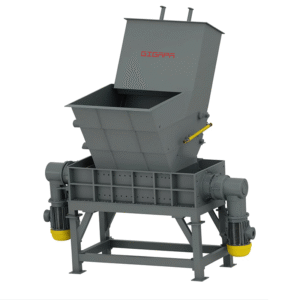
A vertical baler is an essential piece of equipment for businesses looking to reduce waste volume, improve storage efficiency, and simplify recyclable material handling. As industries generate increasing amounts of cardboard, waste paper, plastic, textiles, and other recyclable materials, effective waste management has become an important part of daily operations. Without proper equipment, loose waste can occupy valuable floor space, increase labor requirements, and create unnecessary transportation expenses. A vertical baler offers a practical solution by compressing bulky materials into compact bales, helping businesses organize waste more efficiently and support sustainable recycling practices.
What Is a Vertical Baler?
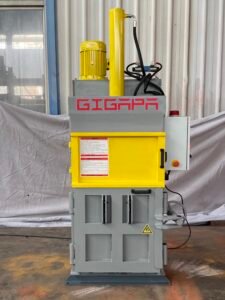
A vertical baler is an industrial waste compaction machine that uses hydraulic force to compress recyclable materials into dense, manageable bales. Its compression system is arranged vertically, allowing the machine to perform material compaction within a relatively compact footprint.
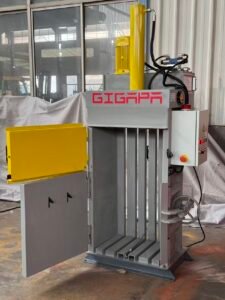
A typical vertical baler consists of a hydraulic power unit, compression chamber, pressing plate, hydraulic cylinder, electrical control system, and safety protection components.
During operation, recyclable materials are loaded into the compression chamber. The hydraulic system then drives the pressing plate downward, applying pressure to compress the materials. Once the desired compression level is reached, the bale is secured with straps or wires, depending on the machine configuration. The finished bale can then be removed for storage, transportation, or further recycling.
Compared with some large horizontal baling systems, vertical balers generally require less installation space and can be suitable for businesses with moderate waste processing requirements.
Common Applications of Vertical Balers
One of the main advantages of a vertical baler is its versatility. Depending on the machine’s compression force, chamber dimensions, and configuration, it can handle various recyclable materials across different industries.
-
Cardboard and Waste Paper
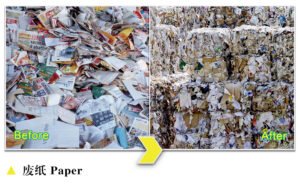
Cardboard boxes and waste paper are among the most common materials processed by vertical balers. Supermarkets, warehouses, distribution centers, printing companies, and packaging factories often generate substantial amounts of paper-based waste.
When left loose, cardboard and paper can quickly occupy valuable storage space. A vertical baler compresses these materials into compact bales that are easier to stack, handle, and transport to recycling facilities
-
Plastic Film and Plastic Bottles
Plastic waste is widely generated in manufacturing plants, logistics centers, retail businesses, and packaging facilities.
Suitable vertical baler models can process plastic films, PET bottles, and various plastic packaging materials. By reducing the volume of these materials, businesses can improve collection efficiency and simplify transportation.
For plastic applications, it is important to select a machine with suitable compression force and chamber dimensions to achieve the desired bale density.
-
Textile and Clothing Waste
Textile manufacturers, garment factories, and clothing recycling companies frequently generate fabric scraps, discarded clothing, and other textile waste.
These materials are often lightweight but bulky, making them difficult to store and transport efficiently. A vertical baler helps compress textile waste into manageable bales, improving warehouse organization and material handling.
-
Agricultural and Industrial Materials
Certain agricultural residues, packaging materials, and other compressible industrial waste can also be processed using vertical balers.
However, material properties such as moisture content, density, fiber structure, and elasticity should be evaluated before selecting a suitable machine.
Key Benefits of Using a Vertical Baler
Investing in a vertical baler can bring several practical benefits to businesses that handle recyclable materials regularly.
-
Save Valuable Storage Space
Loose waste materials can occupy a considerable amount of floor space, particularly in warehouses and manufacturing facilities.
A vertical baler reduces the volume of recyclable materials by compressing them into compact bales. This allows businesses to organize waste more effectively and make better use of available storage areas.
-
Reduce Transportation Expenses
Transporting loose cardboard, plastic, and textile waste can be inefficient because these materials often take up considerable vehicle space.
Compressed bales are easier to stack and load. Depending on bale dimensions and vehicle weight restrictions, businesses may improve transportation efficiency and reduce the number of trips required.
-
Improve Labor Efficiency
Manual waste collection and organization can consume considerable time and manpower.
A vertical baler simplifies the compaction process by using hydraulic power instead of relying entirely on manual handling. This allows employees to manage recyclable materials more systematically and spend less time organizing loose waste.
-
Maintain a Cleaner Working Environment
Unorganized waste can create problems in factories, warehouses, and commercial facilities.
Using a vertical baler helps centralize waste processing and produces neat, compact bales. This contributes to a more organized workplace and makes routine waste management easier.
-
Support Sustainable Recycling Operations
Recycling begins with effective material collection, sorting, and transportation.
A vertical baler helps prepare recyclable materials for subsequent processing by reducing their volume and improving handling efficiency. Although the machine does not directly recycle materials, it plays an important role in supporting the recycling supply chain.

How to Choose the Right Vertical Baler
Selecting the right vertical baler is essential for achieving reliable performance and long-term operating efficiency. Before making a purchasing decision, businesses should evaluate several important factors.
Identify the Material Type
Different materials have different compression characteristics.
Cardboard, plastic film, PET bottles, and textile waste may require different machine configurations. Buyers should clearly identify the materials they intend to process and provide photographs or samples to the manufacturer when possible.
Consider Compression Force.
Compression force is one of the most important specifications when selecting a vertical baler.
Different materials require different levels of pressure to achieve the desired bale density. Businesses should choose a suitable compression force according to material characteristics and operational requirements rather than selecting a machine based only on its maximum tonnage.
Determine Bale Size and Weight
Bale dimensions and weight influence storage, handling, and transportation arrangements.
Before purchasing, consider the available warehouse space, forklift capacity, transportation conditions, and the requirements of downstream recycling companies.
Evaluate Daily Processing Capacity
The amount of waste generated daily or hourly will help determine the appropriate machine size.
A small retail business may only require a compact vertical baler, while a large warehouse or recycling facility may need a higher-capacity model with a larger compression chamber.
Check Electrical and Installation Requirements
Buyers should confirm the machine’s voltage, frequency, phase, and power requirements before ordering.
It is also important to reserve sufficient installation space for material feeding, machine operation, bale removal, and maintenance.
Conclusion
A vertical baler is a practical solution for businesses seeking to improve waste compaction, reduce storage requirements, and simplify recyclable material handling. From cardboard and waste paper to plastic film and textile waste, this equipment supports more organized and efficient waste management across various industries.
Before purchasing, businesses should carefully evaluate material characteristics, compression force, bale dimensions, processing capacity, and installation requirements.
With the right machine and a reliable manufacturing partner, companies can improve operational efficiency, optimize waste handling costs, and contribute to more sustainable recycling practices.