-200x45.png)
A wood shavings bagging machine plays a critical role in modern biomass processing and packaging operations. As industries such as agriculture, animal bedding, biomass fuel, and wood processing continue to grow, the demand for efficient, hygienic, and cost-effective packaging solutions has increased significantly. Wood shavings, being lightweight and bulky, require specialized equipment to ensure consistent packaging, reduced labor costs, and improved transportation efficiency.
In this comprehensive guide, we will explore everything you need to know about wood shavings bagging machines, including their working principles, key features, benefits, applications, and how to choose the right machine for your business.
What Is a Wood Shavings Bagging Machine?
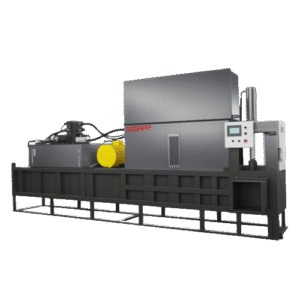
A wood shavings bagging machine is an automated or semi-automated system designed to fill, compress, weigh, and seal wood shavings into bags. These machines are widely used in sawmills, woodworking factories, farms, and biomass processing plants.
Due to the low density and irregular shape of wood shavings, manual packaging is inefficient and inconsistent. A bagging machine ensures uniform bag weight, compact packaging, and improved storage and logistics.
Why You Need a Wood Shavings Bagging Machine
- Improve Packaging Efficiency
Manual bagging is time-consuming and labor-intensive. A wood shavings bagging machine significantly increases production speed, allowing businesses to handle large volumes with minimal manpower.
- Reduce Labor Costs
Automation reduces dependency on manual labor, lowering operational costs while improving consistency.
- Ensure Accurate Weighing
Modern machines are equipped with precision weighing systems that ensure each bag meets specified weight requirements, enhancing product quality and customer satisfaction.
- Optimize Transportation and Storage
By compressing wood shavings into compact bags, the machine reduces volume, making transportation and storage more efficient and cost-effective.
- Enhance Product Appearance
Uniform and well-sealed bags improve product presentation, making them more appealing in the market.
Working Principle of a Wood Shavings Bagging Machine
The operation of a wood shavings bagging machine typically involves the following steps:
- Material Feeding
Wood shavings are fed into the hopper manually or via a conveyor system. - Weighing System
The machine measures the required amount of material using a load cell or volumetric system. - Filling Process
The measured wood shavings are discharged into the bag through a filling nozzle. - Compression (Optional)
Some machines include a compression function to reduce the volume of the shavings. - Sealing System
The bag is sealed using heat sealing, stitching, or other methods. - Discharge
The finished bag is conveyed out for storage or transportation.
Key Features of Modern Wood Shavings Bagging Machines
- Automatic Control System
Equipped with PLC control and a touch screen interface, allowing easy operation and parameter adjustment.
- High Precision Weighing
Advanced sensors ensure accurate and consistent bag weight.
- Adjustable Bag Sizes
Compatible with different bag sizes to meet diverse packaging requirements.
- Dust Control Design
Integrated dust collection systems help maintain a clean working environment.
- Durable Structure
Manufactured with high-quality steel for long-term durability and reliability.
- Energy Efficiency
Optimized design reduces power consumption while maintaining high performance.

Applications of Wood Shavings Bagging Machines
Wood shavings bagging machines are widely used across various industries:
- Animal Bedding Industry
Wood shavings are commonly used as bedding for poultry, horses, and livestock. Bagging machines ensure clean and uniform packaging for easy distribution.
- Biomass Fuel Industry
Compressed wood shavings can be used as biomass fuel. Proper packaging ensures efficient handling and storage.
- Agriculture and Farming
Used for mulching and soil conditioning, requiring convenient packaging for transport and sale.
- Wood Processing Industry
Sawmills and woodworking factories generate large volumes of shavings that need efficient packaging solutions.
- Retail Packaging
Small, neatly packed bags are ideal for retail markets such as pet stores and gardening centers.
Types of Wood Shavings Bagging Machines
- Semi-Automatic Bagging Machine
Requires manual bag placement but automates filling and weighing. Suitable for small to medium-scale operations.
- Fully Automatic Bagging Machine
Handles the entire process, including bag feeding, filling, sealing, and discharge. Ideal for large-scale production.
- Horizontal Bagging Machine
Designed for compressing and packing low-density materials like wood shavings into compact bags.
- Vertical Bagging Machine
Commonly used for lightweight materials with gravity-assisted filling systems.
How to Choose the Right Wood Shavings Bagging Machine
Selecting the right machine depends on several factors:
- Production Capacity
Determine your daily or hourly output requirements to choose a machine with suitable capacity.
- Material Characteristics
Consider the moisture content, particle size, and bulk density of the wood shavings.
- Bag Type and Size
Ensure compatibility with your desired packaging format.
- Level of Automation
Choose between semi-automatic and fully automatic systems based on your budget and labor availability.
- Budget and ROI
Evaluate initial investment versus long-term cost savings and productivity gains.
- After-Sales Support
Reliable technical support and spare parts availability are essential for smooth operation.
Advantages of Using a Wood Shavings Bagging Machine
- Increased productivity
- Consistent packaging quality
- Reduced material waste
- Lower labor costs
- Improved workplace safety
- Enhanced brand image
Maintenance Tips for Long-Term Performance
To ensure optimal performance and longevity, regular maintenance is essential:
- Clean the machine regularly to prevent dust buildup
- Inspect and replace worn parts promptly
- Calibrate the weighing system periodically
- Lubricate moving components as required
- Follow manufacturer guidelines for operation and maintenance
Future Trends in Wood Shavings Packaging Technology
With advancements in automation and smart manufacturing, wood shavings bagging machines are becoming more intelligent and efficient. Key trends include:
- Integration with IoT for real-time monitoring
- Enhanced energy efficiency
- Improved dust control systems
- Greater customization options
- Increased automation and reduced human intervention
Frequently Asked Questions (FAQ)
Q1: Can the machine handle wet wood shavings?
Yes, but moisture should be controlled to avoid affecting performance.
Q2: What types of bags are supported?
PE bags, woven bags, and customized options.
Q3: Can the machine be customized?
Yes, based on capacity, bag size, and automation level.
Q4: Is maintenance complicated?
No, routine cleaning and periodic checks are sufficient.
Q5: Can it connect with shredders or conveyors?
Yes, it can be fully integrated into your production line.
Conclusion
A wood shavings bagging machine is an essential investment for businesses involved in biomass processing, agriculture, and wood industries. By improving efficiency, reducing costs, and ensuring consistent packaging quality, these machines help companies stay competitive in a growing market.
Whether you operate a small farm or a large industrial facility, choosing the right bagging solution can significantly enhance your productivity and profitability.
If you are looking for a reliable and high-performance wood shavings bagging machine, it is important to partner with an experienced manufacturer who can provide customized solutions tailored to your specific needs.