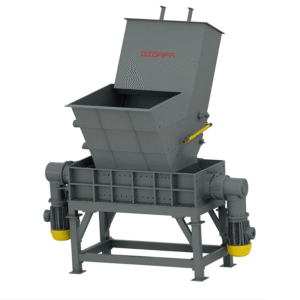
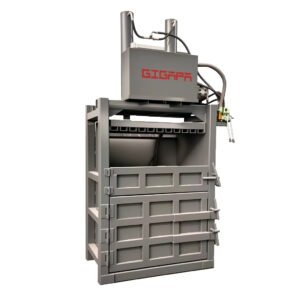
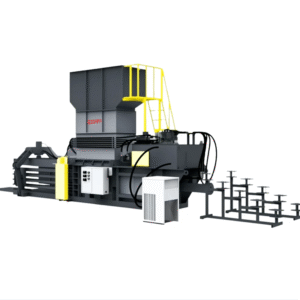
A medical waste shredder plays a crucial role in today’s healthcare industry, where the proper handling and disposal of medical waste have become more critical than ever. Hospitals, clinics, laboratories, and pharmaceutical companies generate large volumes of hazardous waste daily, including infectious materials, sharps, plastics, and contaminated packaging. Without effective treatment solutions, these wastes pose significant risks to human health and the environment.
One of the most effective solutions for managing healthcare waste is the medical waste shredder. Designed to reduce the volume of waste and prepare it for safe disposal or further treatment, these machines are essential for modern waste management systems.
In this comprehensive guide, we will explore everything you need to know about medical waste shredders, including their working principles, key features, applications, benefits, and how to choose the right machine for your business.
What Is a Medical Waste Shredder?
A medical waste shredder is an industrial machine specifically designed to shred and destroy various types of medical waste. Unlike standard shredders, these machines are built with enhanced safety features, corrosion-resistant materials, and powerful cutting systems to handle hazardous and often infectious materials.
They are typically used as part of an integrated waste treatment system, often combined with sterilization technologies such as autoclaves or microwave treatment units.
Types of Medical Waste Processed
Medical waste shredders can handle a wide range of materials, including:
- Infectious waste (bandages, gloves, masks)
- Sharps (syringes, needles, scalpels)
- Plastic containers (IV bags, bottles)
- Pharmaceutical waste
- Pathological waste (tissues, organs)
- PPE and disposable medical supplies


How Does a Medical Waste Shredder Work?
The working principle of a medical waste shredder is based on high-torque, low-speed cutting technology. This ensures efficient shredding while minimizing dust, noise, and operational risks.
Key Working Steps:
- フィーディング
Medical waste is loaded into the shredder via a hopper or conveyor system. - Cutting and Shredding
Rotating blades or cutters break down the waste into smaller, uniform pieces. - 退院
The shredded material is discharged for further treatment such as sterilization, compaction, or incineration. - Optional Sterilization Integration
In advanced systems, shredding is integrated with sterilization to ensure complete decontamination.
Key Features of a High-Quality Medical Waste Shredder
Choosing the right shredder requires understanding the features that ensure safety, durability, and efficiency.
-
Robust Cutting System
High-strength alloy steel blades ensure long service life and effective shredding of tough materials like metal sharps and rigid plastics.
-
低速高トルク運転
This design reduces noise, dust, and the risk of sparks, making it ideal for handling hazardous materials.
-
Anti-Corrosion Design
Medical waste often contains liquids and chemicals. Machines are typically made with stainless steel or coated components to resist corrosion.
-
インテリジェント・コントロール・システム
Modern shredders come with PLC-based control systems for automated operation, overload protection, and fault detection.
-
安全保護
Features such as emergency stop buttons, safety interlocks, and enclosed cutting chambers ensure operator safety.
-
カスタマイズ可能な出力サイズ
Adjustable screen sizes allow users to control the final particle size based on disposal requirements.
Applications of Medical Waste Shredders
Medical waste shredders are widely used across various industries and facilities:
-
Hospitals and Clinics
Used for daily disposal of infectious waste and sharps, ensuring compliance with health regulations.
-
Laboratories
Ideal for destroying contaminated lab materials and experimental waste.
-
Pharmaceutical Companies
Used to dispose of expired drugs, packaging, and production waste.
-
Waste Treatment Facilities
Integrated into centralized waste management systems for large-scale processing.
-
Research Institutions
Used to safely handle and dispose of hazardous biological materials.
Benefits of Using a Medical Waste Shredder
Investing in a high-quality medical waste shredder offers numerous advantages:
-
Enhanced Safety
Shredding reduces the risk of accidental exposure to hazardous materials by minimizing direct handling.
-
Volume Reduction
Shredded waste takes up significantly less space, reducing transportation and storage costs.
-
規制遵守
Helps organizations meet strict environmental and healthcare waste disposal regulations.
-
Improved Efficiency
Automated shredding systems streamline waste management processes.
-
環境保護
Proper waste processing reduces pollution and prevents the spread of infections.
-
Data and Brand Protection
Shredding also destroys labels and identifiable materials, ensuring confidentiality.

How to Choose the Right Medical Waste Shredder
適切なマシンを選ぶには、いくつかの要因がある:
-
容量要件
Determine the volume of waste generated daily to choose the appropriate machine size.
-
Type of Waste
Different waste types require different cutting strengths and configurations.
-
出力サイズ
Consider the required particle size for downstream processing.
-
Integration Needs
Decide whether the shredder should be integrated with sterilization or other systems.
-
Compliance Standards
Ensure the machine meets local and international regulations (e.g., WHO, EPA, CE standards).
-
Maintenance and Support
Choose a supplier that offers reliable after-sales service and spare parts availability.
Why Choose Our Medical Waste Shredder?
As a professional manufacturer with years of experience in waste processing equipment, we provide high-performance medical waste shredders tailored to your needs.
Our Advantages:
- Advanced engineering and durable design
- Custom solutions for different industries
- Competitive pricing with global export experience
- Professional technical support and installation guidance
- Fast delivery and reliable after-sales service
We are committed to helping our customers achieve safe, efficient, and compliant waste management.
よくある質問(FAQ)
Q1: Can medical waste shredders handle sharps like needles?
Yes, high-quality shredders are designed with reinforced blades to safely process sharps.
Q2: Is shredding enough to treat medical waste?
Shredding is usually combined with sterilization or incineration for complete treatment.
Q3: What is the typical lifespan of a shredder?
With proper maintenance, a medical waste shredder can last 8–15 years.
Q4: How often do the blades need replacement?
It depends on usage, but typically every 6–12 months.
Q5: Can the machine be customized?
Yes, most manufacturers offer customization based on capacity, output size, and integration needs.
結論
Medical waste management is not just a regulatory requirement—it is a critical component of public health protection and environmental sustainability. As the volume and complexity of healthcare waste continue to grow, relying on outdated or inefficient disposal methods can expose organizations to serious risks, including contamination, legal penalties, and increased operational costs.
A medical waste shredder provides a reliable and efficient solution by reducing waste volume, improving handling safety, and preparing materials for further treatment such as sterilization or incineration. By integrating shredding into your waste management system, you can significantly enhance operational efficiency while ensuring compliance with local and international regulations.
Moreover, investing in a high-quality shredding system is a long-term strategy. It not only helps protect healthcare workers and communities from potential hazards but also supports sustainability goals by enabling better waste segregation and recycling opportunities. With the right equipment, businesses can turn a complex challenge into a streamlined and cost-effective process.
In an increasingly regulated and environmentally conscious world, choosing the right medical waste shredder is a smart and forward-thinking decision. It empowers organizations to operate safely, responsibly, and efficiently while building trust with partners, regulators, and the communities they serve.