-200x45.png)
Marine waste balers have become an essential piece of equipment for modern vessels, helping shipping companies efficiently manage the growing volume of recyclable waste generated during daily operations. As the maritime industry transports over 80% of the world’s goods, ships continuously produce materials such as cardboard packaging, plastic bottles, aluminum cans, textiles, and other dry waste throughout long voyages. By compacting these materials into dense, manageable bales, marine waste balers reduce storage space requirements, lower disposal costs, improve onboard safety, and support compliance with international environmental regulations.
Limited storage space, strict environmental regulations, and rising waste disposal costs have made onboard waste management more important than ever. This is where marine waste balers become an essential solution.
A marine waste baler compresses recyclable waste into dense, compact bales, dramatically reducing the volume of waste stored onboard. This allows ships to maximize available space, lower waste handling costs, improve operational efficiency, and comply with international environmental standards such as MARPOL Annex V.
What Is a Marine Waste Baler?
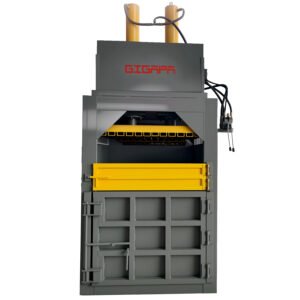
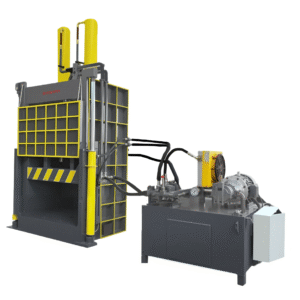
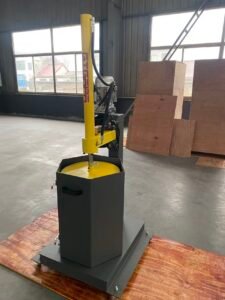
A marine waste baler is a hydraulic compression machine specifically designed for ships, offshore platforms, and marine environments. Unlike standard industrial balers, marine balers are engineered to withstand harsh maritime conditions, including:
- High humidity
- Saltwater corrosion
- Continuous vessel vibration
- Limited installation space
- Long operating hours
The machine compresses recyclable materials into tightly packed bales that are easier to store, transport, and unload at port recycling facilities.
Common materials include:
- Cardboard
- Corrugated cartons
- Plastic film
- PET bottles
- Plastic containers
- Aluminum cans
- Steel cans
- Packaging materials
- Woven bags
- Textiles
- Paper waste
- Soft plastics
Why Ship Waste Management Matters
Modern ships generate substantial amounts of waste throughout their voyages.
Typical sources include the following:
- Crew accommodations
- Kitchens and dining areas
- Maintenance workshops
- Cargo packaging
- Supply deliveries
- Passenger activities (cruise ships)
- Offshore production operations
Without proper waste handling, recyclable materials quickly accumulate, creating several problems:
- Occupying valuable storage space
- Increasing fire hazards
- Creating unsanitary conditions
- Raising transportation costs
- Making waste sorting difficult
- Violating international environmental regulations
As environmental standards continue to tighten, efficient onboard waste management has become a necessity rather than an option.
Challenges of Managing Waste on Ships
- Limited Storage SpaceEvery square meter onboard a ship is valuable.
Loose cardboard and plastic occupy significant space while contributing very little weight. As voyages become longer, waste storage areas can become overcrowded.
A marine waste baler can reduce waste volume by up to 90%, freeing valuable storage capacity.
- High Waste Disposal CostsMany ports charge waste disposal fees based on waste volume.
Compressing recyclable materials means:
- Fewer waste containers
- Lower disposal fees
- Reduced transportation costs
- More efficient recycling
- Compliance with Environmental RegulationsInternational regulations require ships to properly manage waste.
The most recognized regulation is the following:
MARPOL Annex V
It governs:
- Garbage segregation
- Storage
- Disposal
- Record keeping
- Pollution prevention
Proper waste compaction makes compliance significantly easier.
- Crew EfficiencyManual waste handling is time-consuming.
Without a baler, crew members spend considerable time:
- Flattening boxes
- Breaking cartons
- Stacking loose plastics
- Organizing storage rooms
A marine waste baler simplifies these tasks while improving workplace safety.
Benefits of Marine Waste Balers
-
Save Valuable Storage Space
Perhaps the biggest advantage is volume reduction.
Loose cardboard occupies enormous storage space.
After compression:
- Smaller storage footprint
- Better organization
- Cleaner waste rooms
- Increased storage efficiency
Volume reduction often reaches 80–90%.
-
Lower Operating Costs
Compacted waste reduces:
- Disposal costs
- Labor costs
- Handling time
- Transportation expenses
For ships making frequent international voyages, these savings can be substantial.
-
Improve Recycling Efficiency
Recycling companies prefer clean, compact bales.
Benefits include:
- Easier transportation
- Higher recycling efficiency
- Better material sorting
- Improved recycling value
-
Enhance Workplace Safety
Loose waste can create:
- Trip hazards
- Fire risks
- Blocked passageways
- Poor sanitation
Compact bales help keep working areas clean and organized.
-
Meet Environmental Standards
Marine balers support sustainable operations by encouraging proper recycling practices and helping ships comply with environmental regulations.
-
Reduce Manual Labor
Instead of repeatedly handling loose waste, crew members simply load the baler and remove finished bales.
This reduces physical effort while improving productivity.
Applications of Marine Waste Balers
Marine waste balers are widely used across the maritime industry.
- Cargo ShipsCargo vessels continuously generate packaging waste during loading and unloading.
Typical materials include:
- Cardboard
- Plastic wrap
- Wooden packaging
- Cartons
- Cruise ShipsCruise ships produce large amounts of recyclable waste from the following:
- Restaurants
- Hotels
- Shops
- Entertainment facilities
Daily waste generation can reach several tons.
- Container ShipsContainer vessels frequently handle packaging materials requiring efficient onboard storage.
- Naval ShipsMilitary vessels benefit from improved waste organization during long deployments.
- Research VesselsScientific expeditions often remain at sea for weeks or months, making compact waste storage especially important.
Materials Suitable for Marine Balers
A marine waste baler handles many recyclable materials, including
- Paper Products
- Office paper
- Newspapers
- Cartons
- Corrugated cardboard
- Plastics
- PET bottles
- Plastic film
- HDPE containers
- Packaging plastics
- Shrink wrap
- Metal Containers
- Aluminum cans
- Steel cans
- Food cans
- Textile Waste
- Used uniforms
- Cleaning cloths
- Fabric scraps
- Soft Packaging
- Woven bags
- Plastic sacks
- Flexible packaging
Key Features of a High-Quality Marine Waste Baler
When selecting equipment, consider these important features.
- Corrosion-Resistant ConstructionMarine environments require the following:
- Stainless steel components
- Anti-corrosion coatings
- Marine-grade paint
- Rust-resistant hydraulic fittings
- Hydraulic PowerA reliable hydraulic system provides the following:
- Stable compression
- Low maintenance
- Long service life
- High bale density
- Easy OperationUser-friendly controls reduce crew training requirements.
Most machines feature the following:
- One-button operation
- Automatic compression
- Safety interlocks
- Emergency stop
- High Compression ForceGreater compression force produces:
- Denser bales
- Less storage space
- Lower transportation costs
Maintenance Tips
Proper maintenance extends machine life and ensures safe operation.
Recommended practices include:
- Inspect hydraulic hoses regularly.
- Check hydraulic oil levels.
- Lubricate moving parts.
- Clean the compression chamber after use.
- Tighten loose fasteners.
- Inspect electrical components.
- Test emergency stop functions.
- Replace worn seals promptly.
- Follow the manufacturer’s maintenance schedule.
Routine maintenance minimizes downtime and keeps the baler operating efficiently in demanding marine environments.
Conclusion
Effective waste management is no longer just a matter of housekeeping—it is a critical part of safe, efficient, and environmentally responsible ship operations. As vessels generate increasing volumes of recyclable materials during extended voyages, marine waste balers offer a practical solution by reducing waste volume by up to 90%, optimizing valuable storage space, lowering disposal costs, and supporting compliance with international regulations such as MARPOL Annex V.
By investing in a high-quality marine waste baler, shipping companies can improve onboard organization, enhance crew safety, streamline recycling processes, and contribute to a cleaner marine environment. The long-term operational and environmental benefits make marine waste balers a valuable asset for commercial ships, cruise liners, offshore platforms, and other marine facilities worldwide.