-200x45.png)
A baler machine is one of the most effective solutions for reducing transportation costs in recycling companies, waste management facilities, distribution centers, manufacturing plants, and warehouses. Transportation remains one of the largest operating expenses for these businesses, especially when handling recyclable materials such as cardboard, plastics, textiles, metal scrap, aluminum cans, PET bottles, and paper waste. Without proper compaction, inefficient logistics can significantly increase operational costs.
Loose recyclable materials occupy a large amount of space while contributing relatively little weight. This means trucks often reach their volume capacity long before reaching their legal weight limit, resulting in frequent trips, higher fuel consumption, increased labor costs, and unnecessary wear on transportation equipment.
A baler machine addresses this challenge by compressing waste materials into compact, high-density bales. By reducing the volume of recyclable materials, businesses can transport more material per truckload, improve storage efficiency, lower logistics expenses, and increase the value of recyclable materials.
In this comprehensive guide, we’ll explain exactly how to reduce transportation costs with a baler machine, the financial benefits it offers, the industries that benefit most, and how to choose the right baler for your business.
Why Transportation Costs Continue to Rise?
Businesses around the world are facing increasing transportation expenses due to several factors:
- Rising fuel prices
- Higher labor costs
- Increasing freight rates
- Limited truck availability
- Environmental regulations
- Longer transportation distances
- Carbon emission reduction requirements
For companies handling recyclable materials, transportation may account for 20%–40% of total recycling costs.
The problem becomes even more significant when transporting lightweight but bulky materials such as:
- Cardboard boxes
- Plastic film
- PET bottles
- Woven bags
- Textile waste
- Foam
- Paper waste
- Aluminum cans
Without compression, trucks carry mostly air instead of valuable recyclable materials.
What Is a Baler Machine?
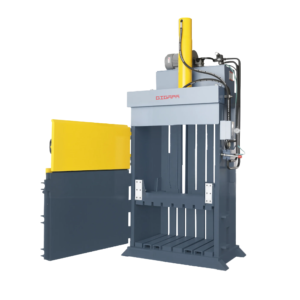
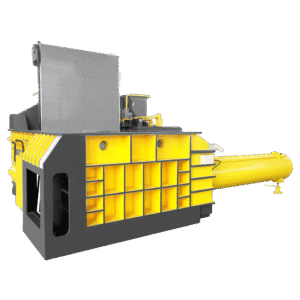
A baler machine is a hydraulic compression system designed to compress loose recyclable materials into dense, uniform bales secured with steel wire or plastic straps.
Depending on production capacity and material type, balers are available in several configurations:
- Vertical Baler
- Horizontal Baler
- Fully Automatic Horizontal Baler
- Semi-Automatic Baler
- Metal Baler
- Textile Baler
- Plastic Baler
- Waste Paper Baler
Modern hydraulic balers generate compression forces ranging from 20 tons to over 200 tons, depending on the application.
The resulting compact bales occupy much less space and are easier to handle, store, stack, and transport.

How a Baler Machine Reduces Transportation Costs
- Significantly Reduces Material Volume
The biggest transportation advantage comes from reducing material volume.
Loose waste materials contain a large amount of empty space.
For example:
- Loose cardboard
- Plastic bottles
- Aluminum cans
- Textile waste
These materials may fill an entire truck while weighing only a fraction of its carrying capacity.
A hydraulic baler compresses these materials into dense blocks.
Typical volume reduction rates include the following:
- Cardboard: 80–90%
- Plastic film: 85–95%
- PET bottles: 70–90%
- Aluminum cans: 80–90%
- Textile waste: 75–90%
This allows far more material to fit into each truckload.
- Reduces the Number of Truck Trips
Because each truck carries significantly more recyclable material, businesses require fewer transportation trips.
For example:
Without a baler:
- One truck carries 3 tons of loose cardboard.
With a baler:
- The same truck carries 10 tons of baled cardboard.
This simple improvement can reduce transportation frequency by more than 60%.
Benefits include:
- Lower fuel expenses
- Reduced driver wages
- Lower vehicle maintenance
- Less loading and unloading time
- Reduced logistics management costs
- Maximizes Truck Payload Utilization
Transportation companies charge based on either the following:
- Weight
- Volume
- Container capacity
Loose recyclables often reach the maximum container volume long before reaching allowable weight limits.
After baling:
- Truck space is fully utilized.
- Weight capacity is better optimized.
- Freight efficiency increases substantially.
Each shipment becomes more economical.
- Lowers Fuel Consumption
Every transportation trip consumes:
- Diesel
- Engine oil
- Tires
- Maintenance resources
Reducing truck trips directly reduces fuel consumption.
For example:
If a company currently requires:
- 30 truckloads per month
After installing a baler:
- Only 12 truckloads may be required.
Fuel savings alone can represent thousands of dollars annually.
- Reduces Labor Costs
Transportation involves more than driving.
Workers are needed for:
- Loading
- Unloading
- Material handling
- Sorting
- Inventory management
Dense, uniform bales are easier to handle with forklifts.
This reduces manual labor while improving operational efficiency.
- Improves Warehouse Storage Efficiency
Transportation efficiency begins with efficient storage.
Loose waste occupies excessive warehouse space.
After baling:
- Materials become stackable.
- Warehouse organization improves.
- Inventory management becomes easier.
- Forklift movement becomes more efficient.
More storage capacity allows businesses to accumulate larger shipments before transportation, further reducing freight costs.
- Increases Recycling Revenue
Transportation savings are only part of the financial benefit.
Many recycling facilities pay higher prices for:
- Uniform bales
- Clean bales
- High-density bales
Compressed materials are easier to inspect, handle, and process.
As a result, businesses often receive higher recycling prices while simultaneously reducing transportation expenses.
Industries That Benefit Most
- Recycling Centers
Recycling facilities process enormous quantities of the following:
- Cardboard
- Plastics
- Aluminum
- Steel
- Textiles
Baling improves logistics while increasing resale value.
- Warehouses
Warehouses generate:
- Packaging waste
- Stretch film
- Cartons
- Plastic wrap
A baler minimizes storage requirements and transportation costs.
- Manufacturing Plants
Factories often produce:
- Metal scrap
- Plastic scrap
- Production waste
- Paper packaging
Hydraulic balers simplify waste management while reducing disposal expenses.
- Textile Recycling Companies
Loose clothing occupies tremendous space.
Textile balers compress the following:
- Used clothes
- Cotton waste
- Fabric scraps
- Foam
Transportation becomes dramatically more economical.
- Plastic Recycling Facilities
Plastic film, PET bottles, HDPE containers, and woven bags are lightweight but bulky.
Baling significantly improves shipping efficiency.
Choosing the Right Baler Machine
Selecting the correct baler depends on several factors.
- Material Type
Different materials require different compression systems.
Examples include:
- Cardboard
- Paper
- Plastic film
- PET bottles
- Aluminum cans
- Textile waste
- Foam
- Metal scrap
- Daily Processing Capacity
Estimate daily production volume.
Typical recommendations:
Small businesses:
- Vertical baler
Medium recycling centers:
- Semi-automatic horizontal baler
Large recycling plants:
- Fully automatic horizontal baler
- Automation Level
Businesses with high production volumes benefit from:
- Automatic feeding
- Automatic tying
- Continuous operation
- PLC control
- Touch-screen interface
Automation reduces labor costs while increasing productivity.
Why More Businesses Are Investing in Hydraulic Balers
As transportation costs continue to rise worldwide, businesses are under pressure to improve logistics efficiency.
A hydraulic baler represents one of the fastest-return investments in recycling operations because it helps companies
- Lower freight costs
- Increase truck utilization
- Reduce warehouse space
- Improve worker productivity
- Increase recycling revenue
- Reduce environmental impact
- Enhance overall operational efficiency
For many recycling businesses, the equipment pays for itself within a relatively short period through transportation savings and improved material value.
Conclusion
Transportation costs can significantly affect the profitability of recycling and waste management operations. Shipping loose materials wastes valuable truck space, increases fuel consumption, requires more labor, and leads to unnecessary logistics expenses.
A baler machine solves these challenges by compressing recyclable materials into dense, easy-to-handle bales. Businesses can transport more material per load, reduce the number of truck trips, lower fuel and labor costs, improve warehouse organization, and often earn higher prices from recyclers.
Whether you operate a warehouse, manufacturing facility, recycling plant, retail distribution center, or waste management company, investing in the right hydraulic baler is a practical way to optimize logistics and reduce long-term operating costs.